
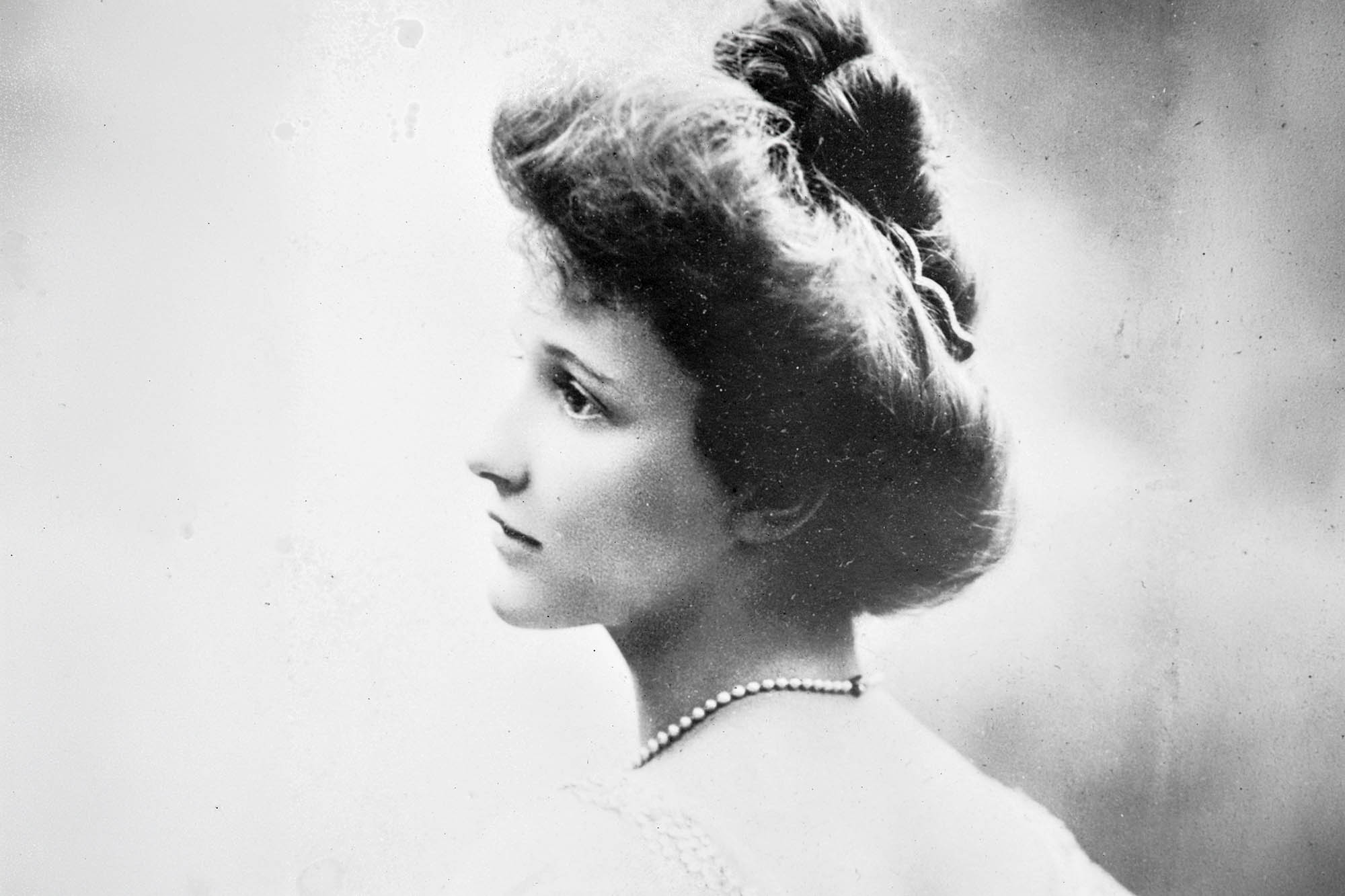
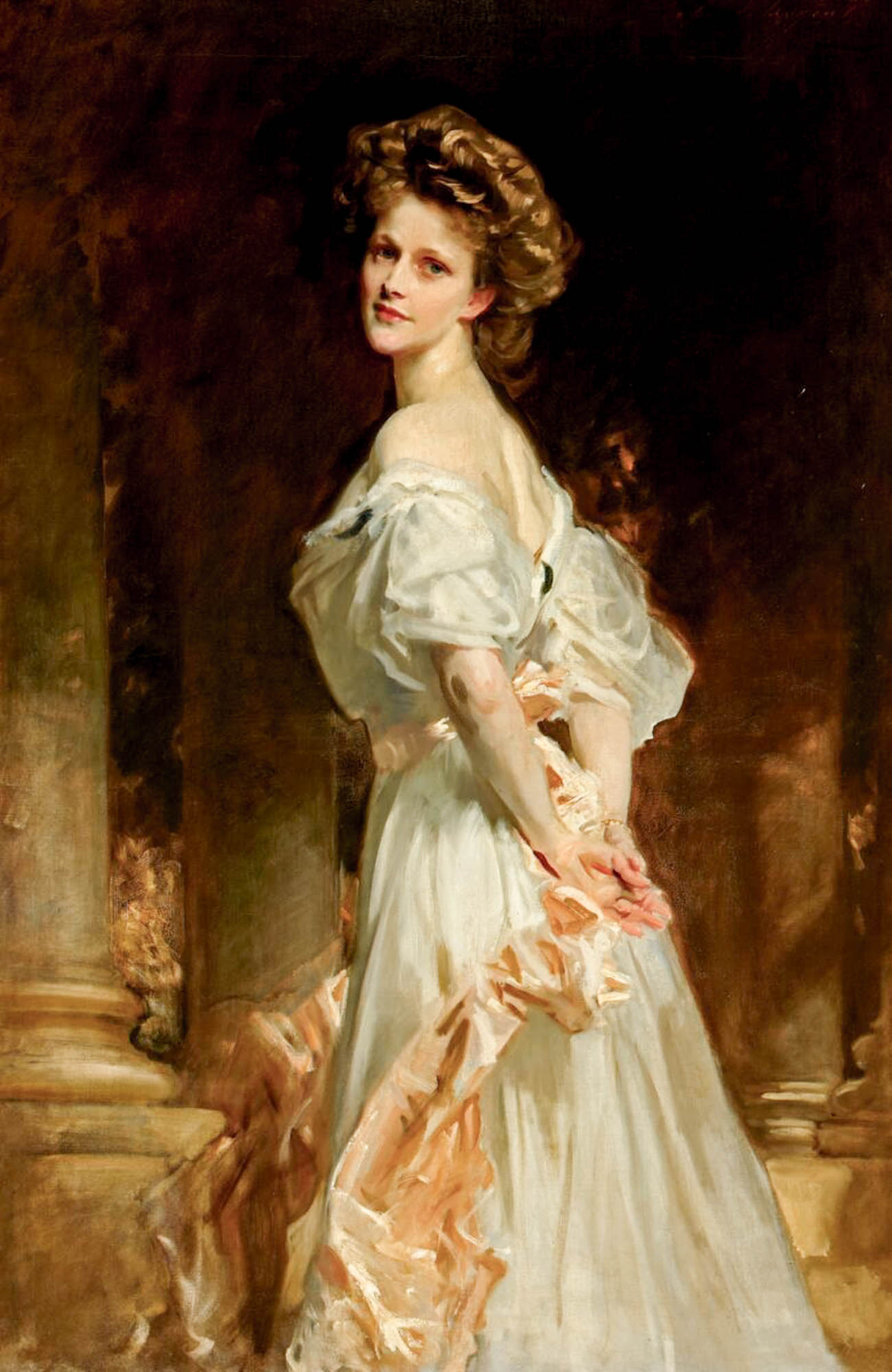
Date: 1908
National Trust Collections, UK, Accession No. 766112
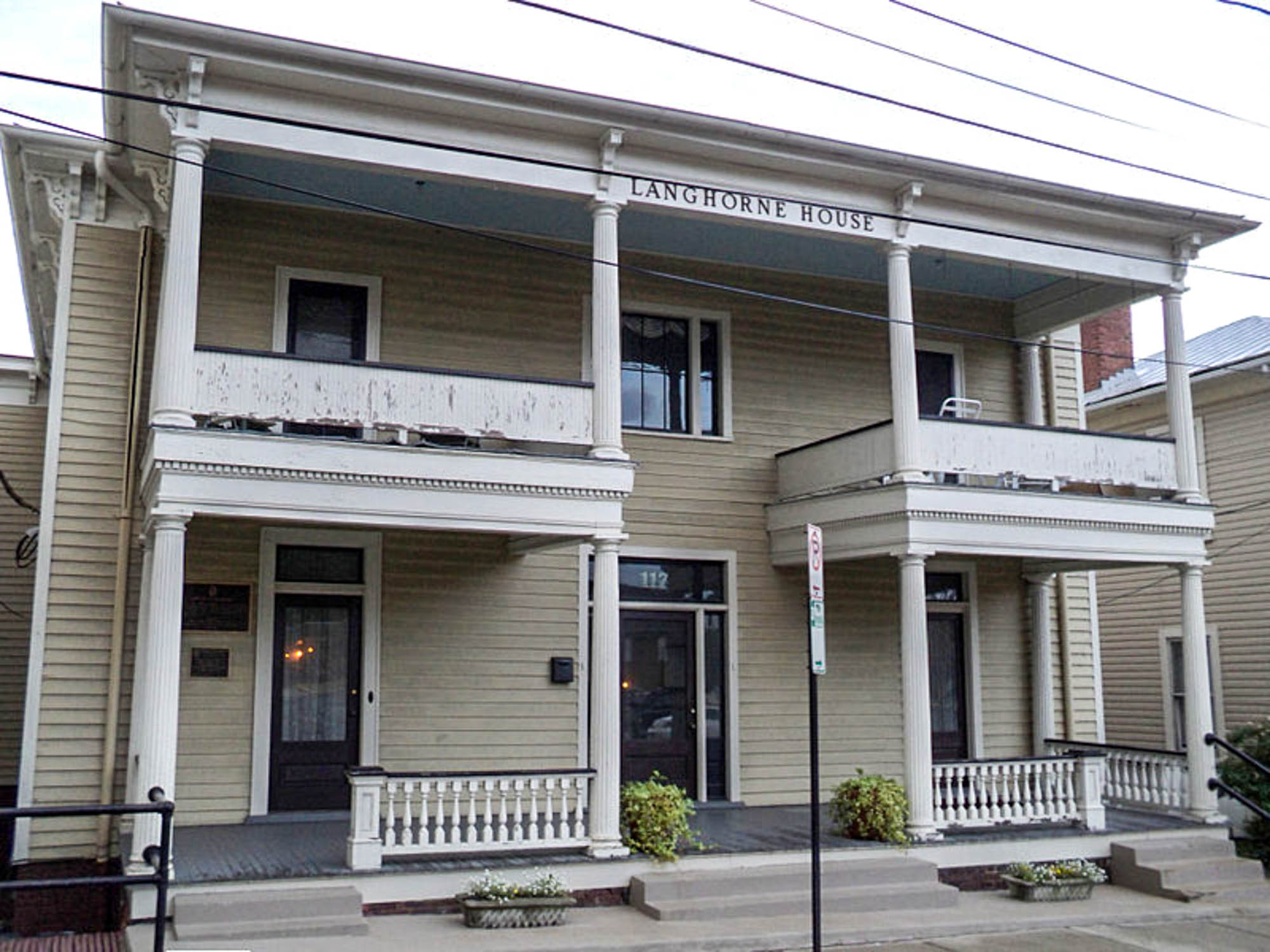
Nancy Langhorne began her life in 1879 in a crowded house in Danville, VA, the fifth of her parents’ eleven children. The Langhornes of Lynchburg had been wealthy before the Civil War, but, like so many others, faced straitened circumstances in the post war period. Nancy’s father, Chiswell Dabney Langhorne, was working as a tobacco auctioneer in Danville. He was apparently quite good at the rapid-fire patter, but it was not very remunerative.
He moved his family to Richmond in 1885, where he finally struck it rich, getting construction contracts to hire in Virginia. He was so successful at this business that he was able to relocate to the palatial estate of Mirador in Albemarle County in 1893.
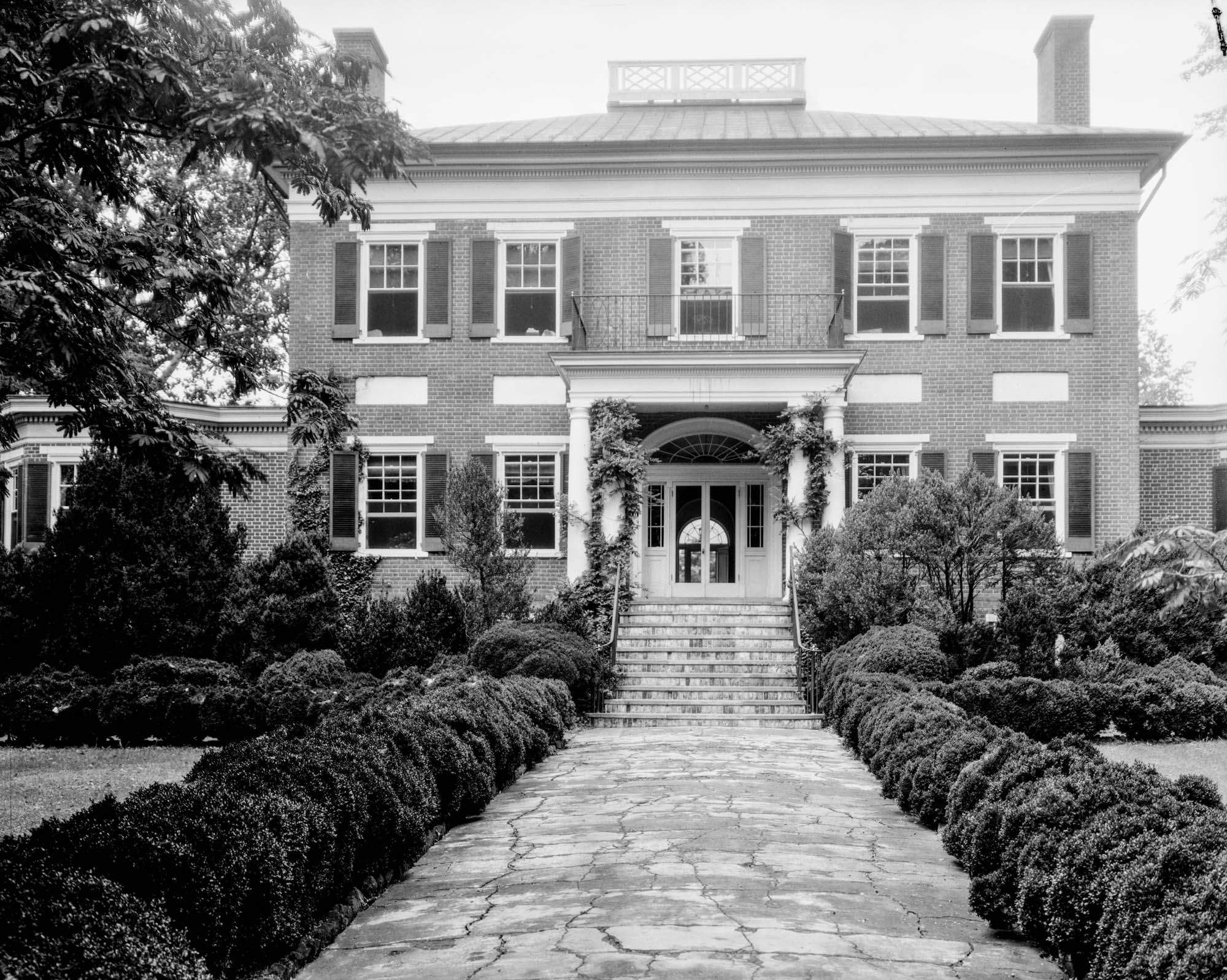
Frances Benjamin Johnston, Photographer, 1864-1952.
Library of Congress Prints and Photographs Division, Washington, DC
(Library Call No. LC-J7-VA-1229)
The Langhorne sisters were famous for their good looks. Irene, the second sister, was a beauty in the Southern Belle style, opening balls in New York and Philadelphia, and was named a Queen of the New Orleans Mardi Gras. In 1906, Irene Langhorne married Charles Dana Gibson, the artist who had created the “Gibson Girl,” an ideal beauty, who looked amazingly like Irene.
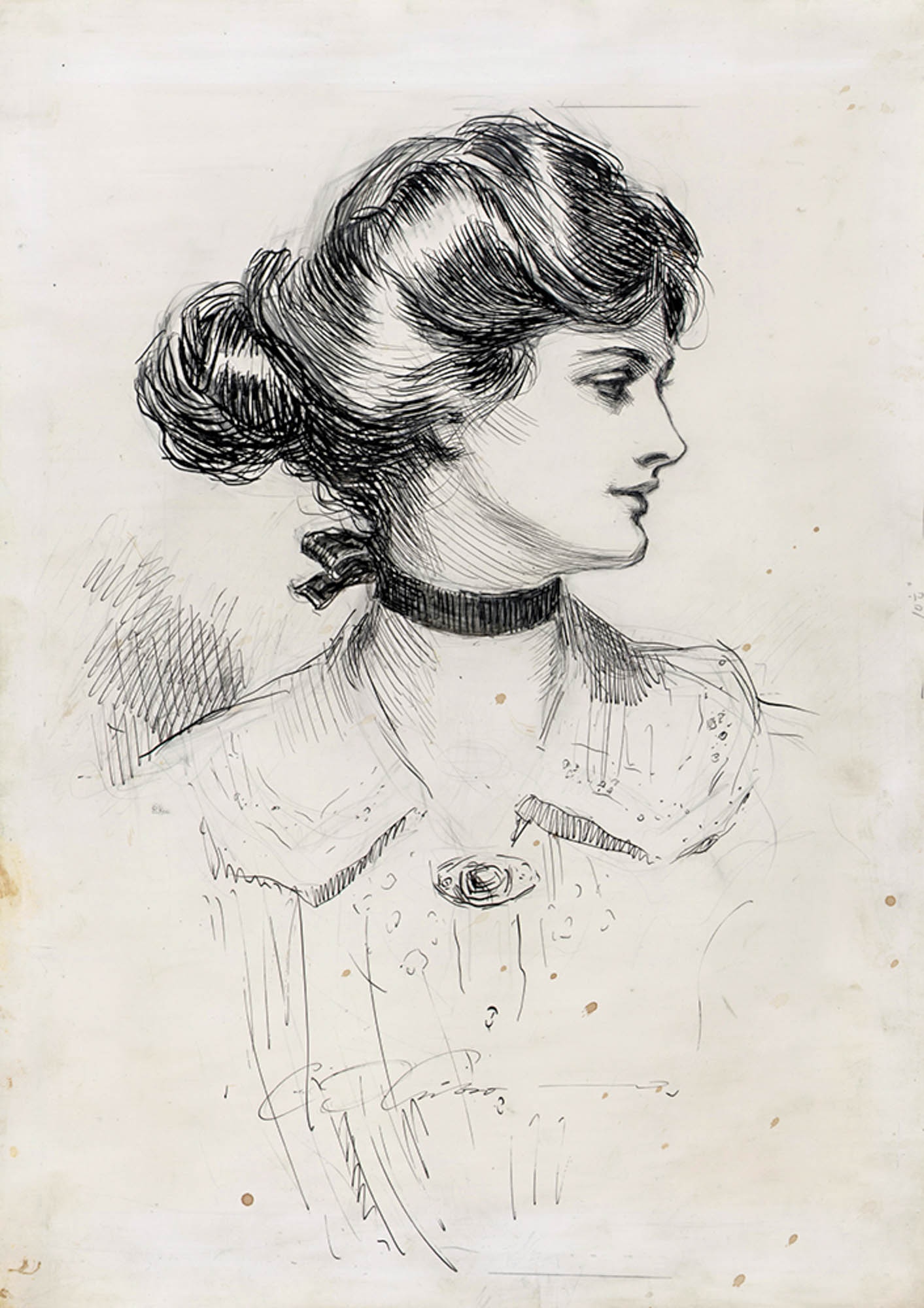
(Photo Courtesy of Library of Congress, Washington, DC, Cabinet of American Illustration, Reproduction No. LC-Dig-cai-2a12856)
Irene was featured in the 2017 Twilight Tours sponsored by the Museum, portrayed by Miranda Burnett:
Nancy, after a disastrous first attempt at marriage, traveled to England where she married Waldorf Astor, the son of one of the richest men of his day. When Waldorf’s father died, he inherited his title becoming 2nd Viscount Astor. He had represented the borough of Plymouth Sutton in the British House of Commons, but had to give up his seat when he was elevated to the House of Lords.
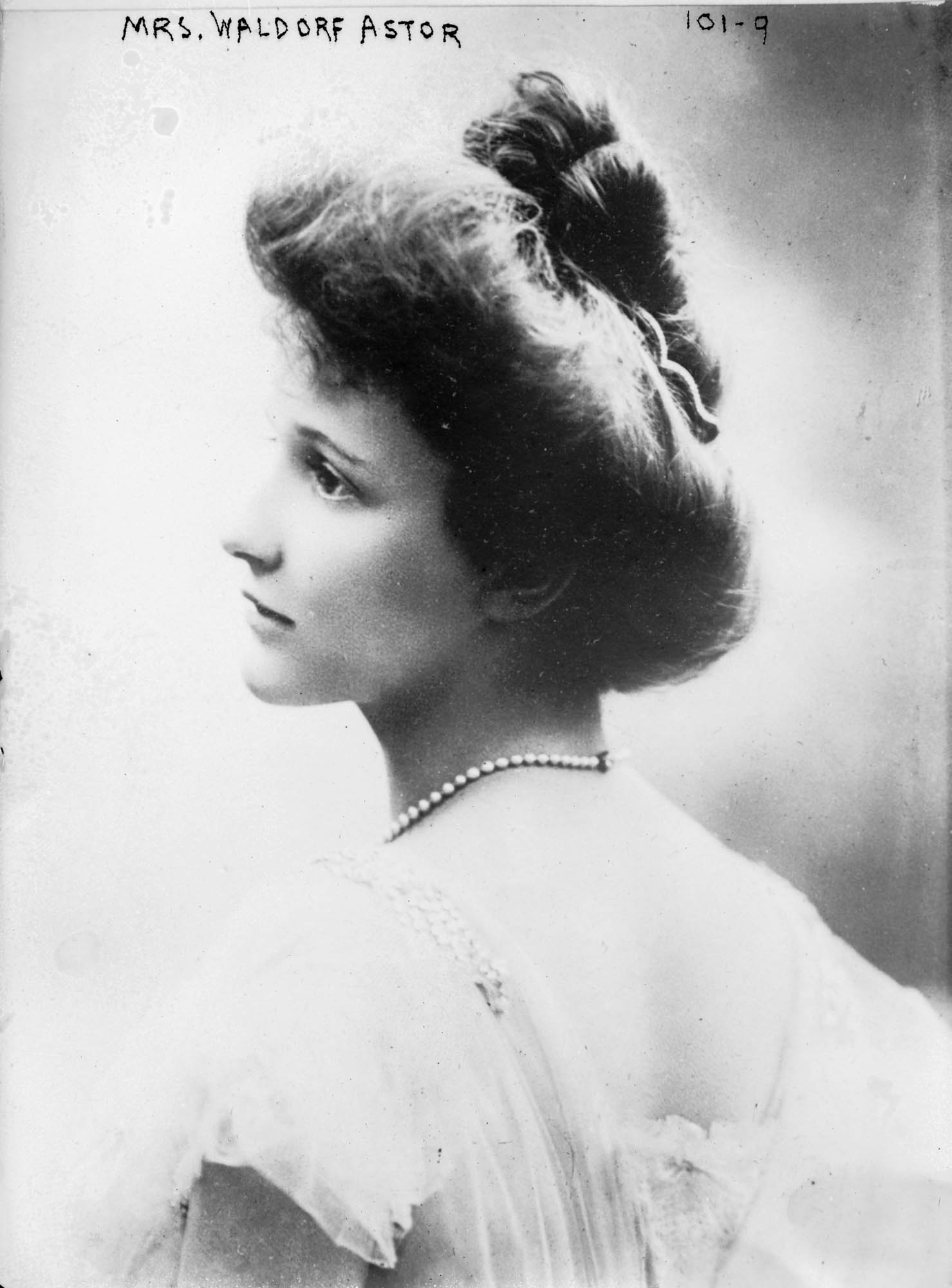
In an action that was startling for its day, Nancy decided to run for the vacant seat and became the first one to accept a seat in the House of Commons. That was 1919 – British women only had the right to vote less than a year.
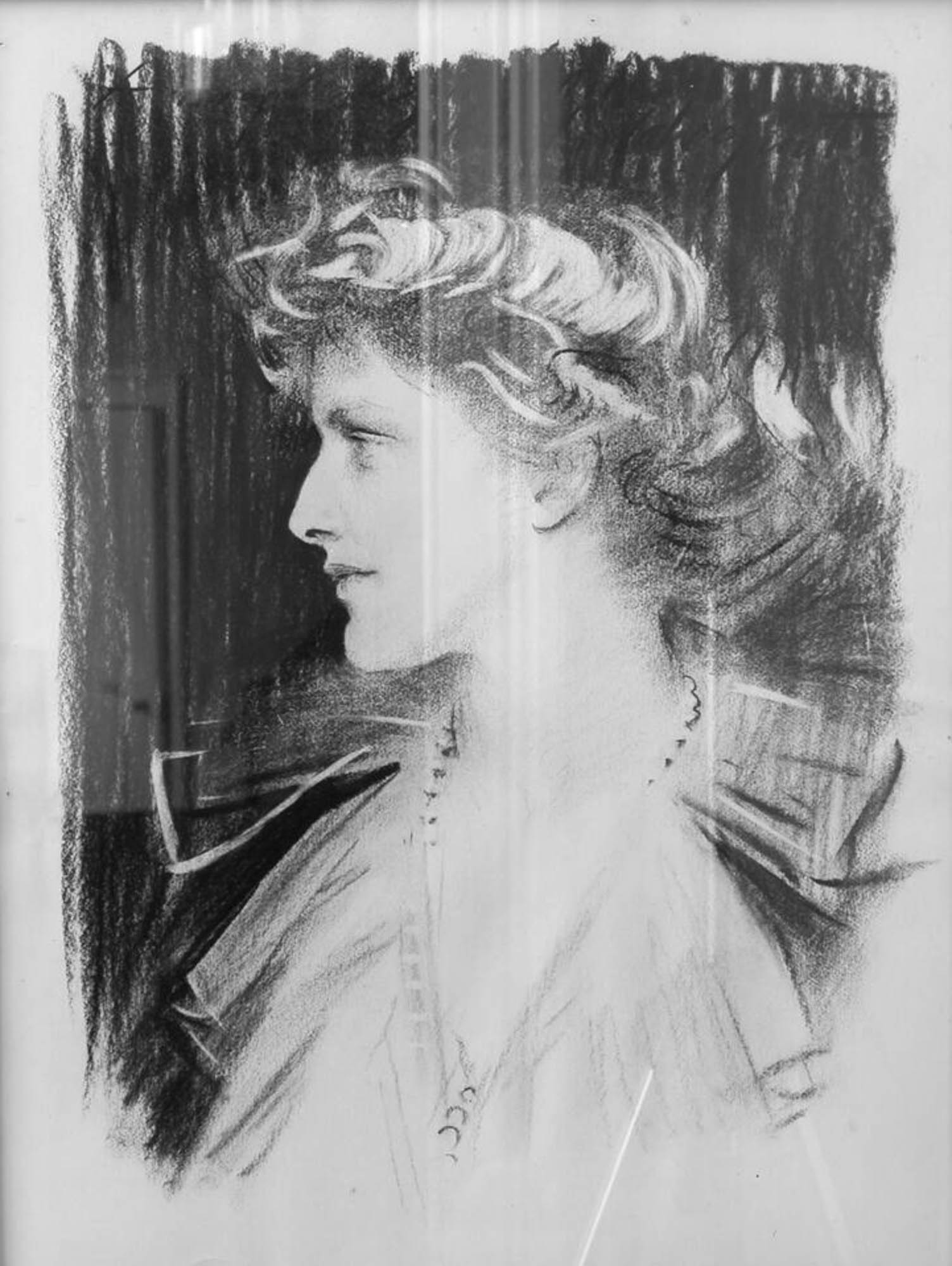
National Trust Collections, UK, Accession No. 765803
Nancy’s political causes were education and temperance: all three of her brothers, her first husband, and her son suffered from alcoholism. Nancy also was a devout believer in Christian Science.
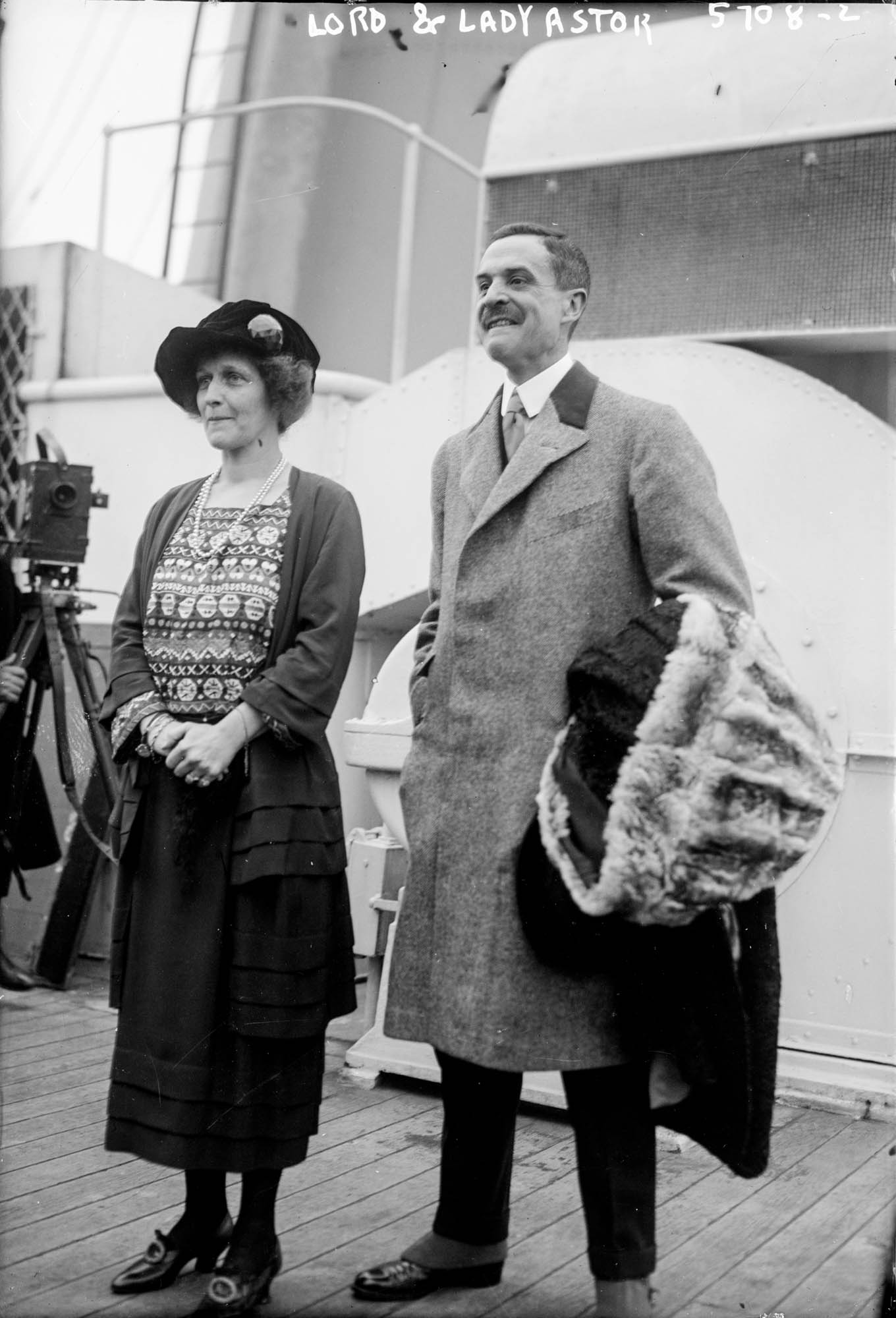
Photo courtesy of Library of Congress, George Grantham Bain Collection
Call No. LC-B2-5708-2)
Outspoken and flamboyant, as well as incredibly wealthy, the new Lady Astor cut a serious swath through British high society and politics. But she never forgot her Virginia roots. Despite a lengthy sea journey home, she made frequent visits to Mirador, participating enthusiastically in the local fox hunts. Her brother, William (“Buck”), who had bought a farm near Warren, took her out shooting birds when she came to Virginia. Once being reprimanded for a cutting remark, she said, “I’m a Virginian. We shoot to kill!”
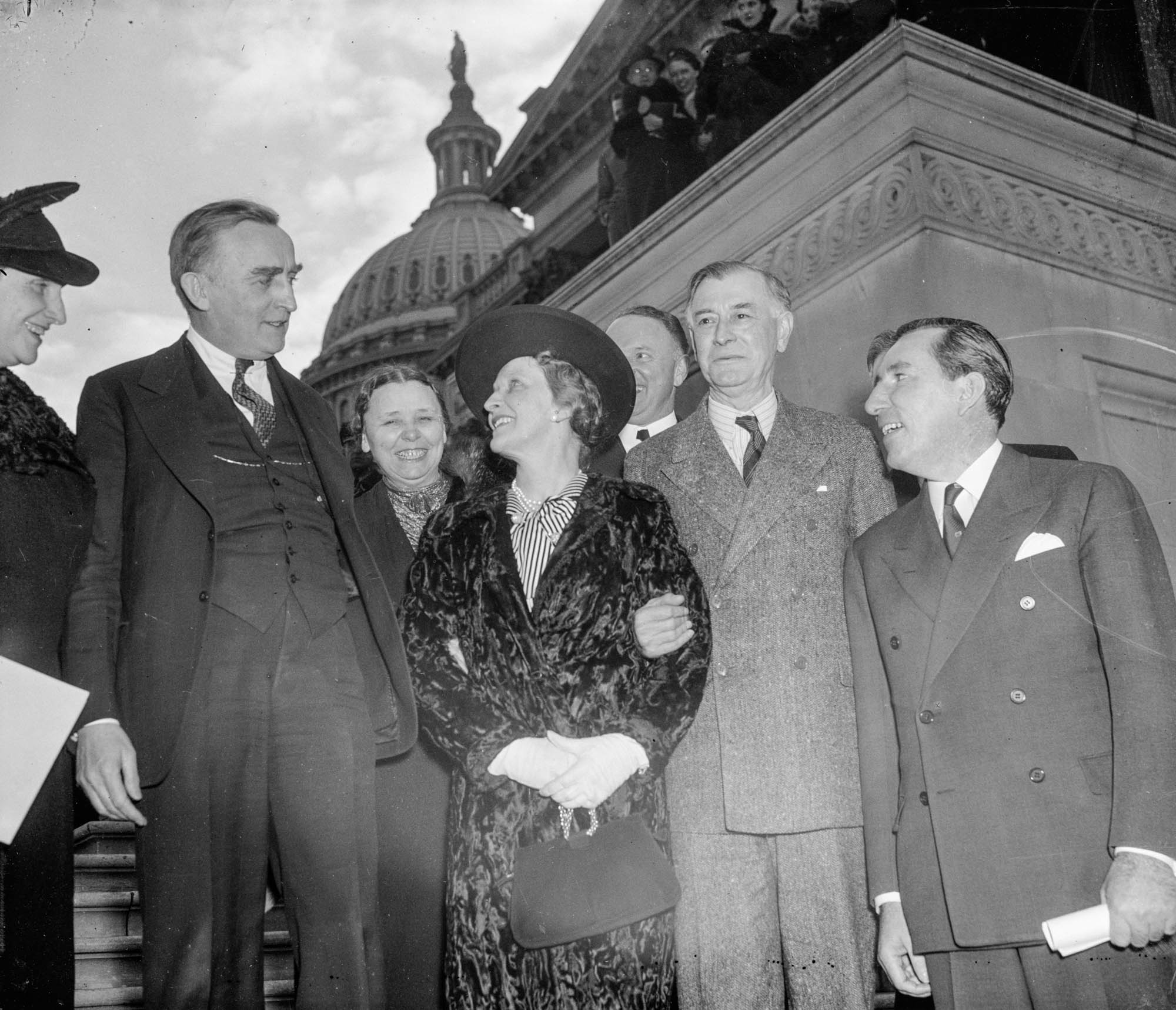
Lady Astor was lacking in political savvy. About the German leader, Adolf Hitler, she commented, “No one can take him seriously with that mustache. He looks too much like Charlie Chaplin.”
Lady Astor was a loyal donor to the University of Virginia, paying for a set of squash and handball courts, long known as the “Lady Astor Courts.” She also arranged for the Astor collection of Native American photographs and artifacts to be given to the University, apparently still there in the attic of Cabell Hall.
Lady Astor lived until 1964, the last survivor of the five “Langhorne Beauties.” She passed away at the home of her daughter, Nancy Astor, at Grimsthorpe Castle in Lincolnshire, England.
Evelyn Edson, President
Scottsville Museum
Leave us a comment or share your story.