
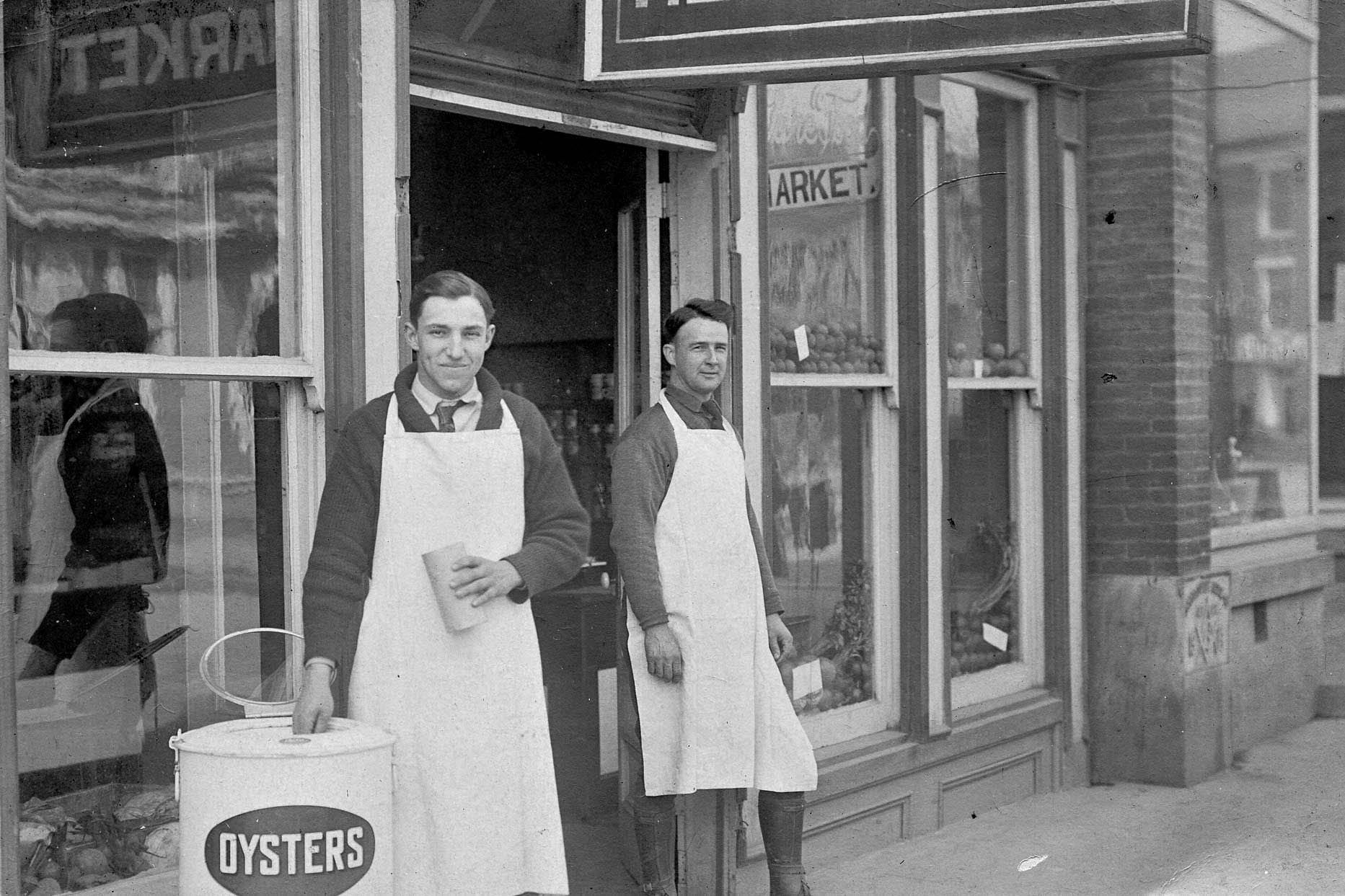
As Virginia Moore eloquently stated in her book, Scottsville on the James, “Any town’s present is a constant adjustment between past and future.” Through the 1850’s, Scottsville served as an important transshipping point for the Shenandoah Valley and Piedmont of Virginia. Local businesses thrived. Great numbers of large wagons unloaded freight here for shipment via boat to Richmond. Then they loaded up in Scottsville with groceries, gypsum, coarse cotton, and woolen cloth for the return trip.
In 1835, Scottsville had nine general stores, five grocery stores, one apothecary shop, a boatyard, several warehouses, livery stables, taverns and hotels. By 1841, the town’s streets bustled with out-of-town trade and a local citizenry totaling 1000 people.
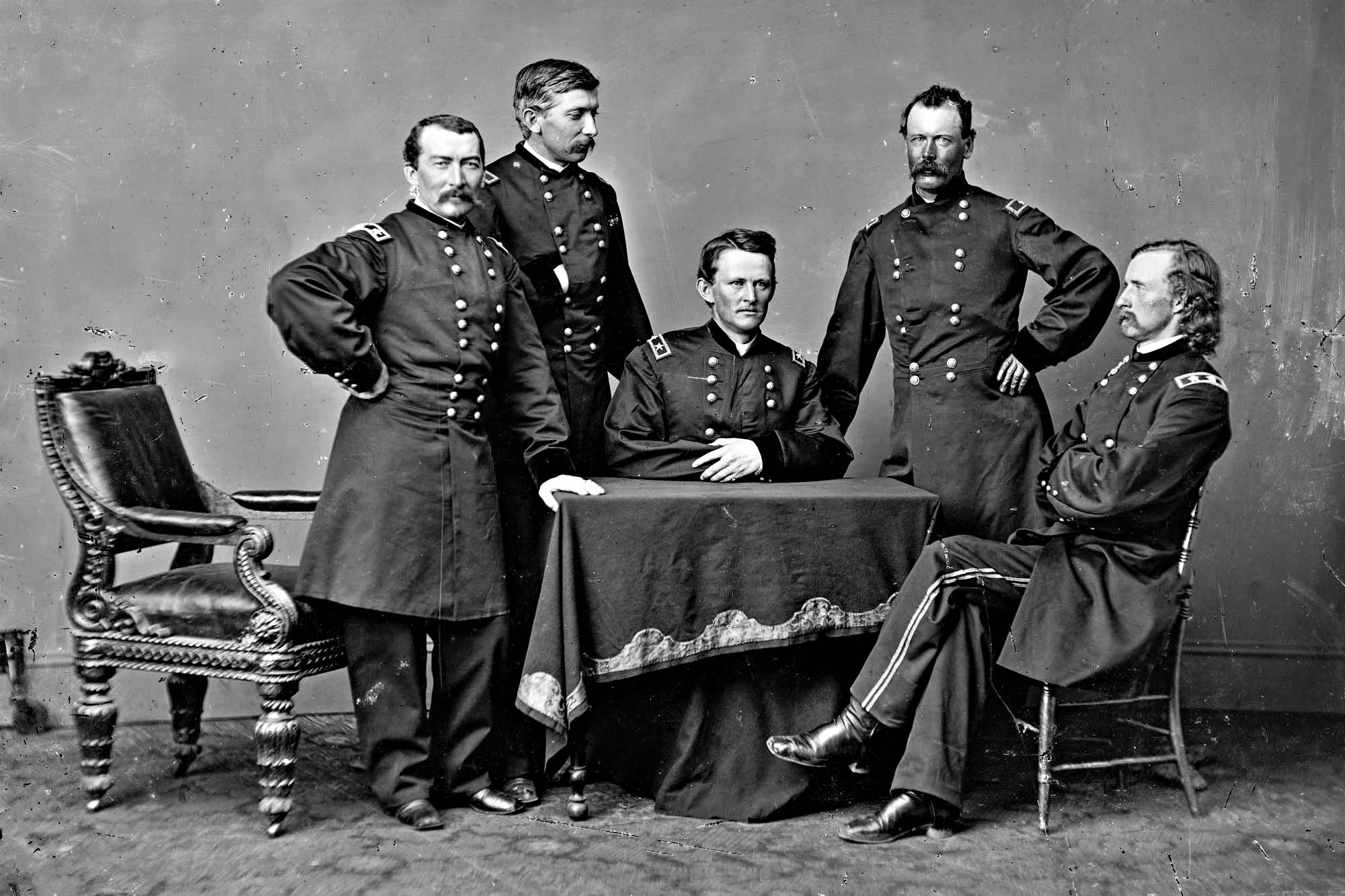
In the 1850’s, the Virginia Central Railroad line was built through Charlottesville and drew business away from Scottsville, the river, and the canal. But the worst had not come for the town’s economy. In March 1865, General Philip Sheridan’s Union troops destroyed the canal and local provisions that could support the Confederacy. By the time Sheridan left town, Scottsville’s hotel, flour mill, candle factory, tobacco warehouse, and some stables were burned or destroyed.
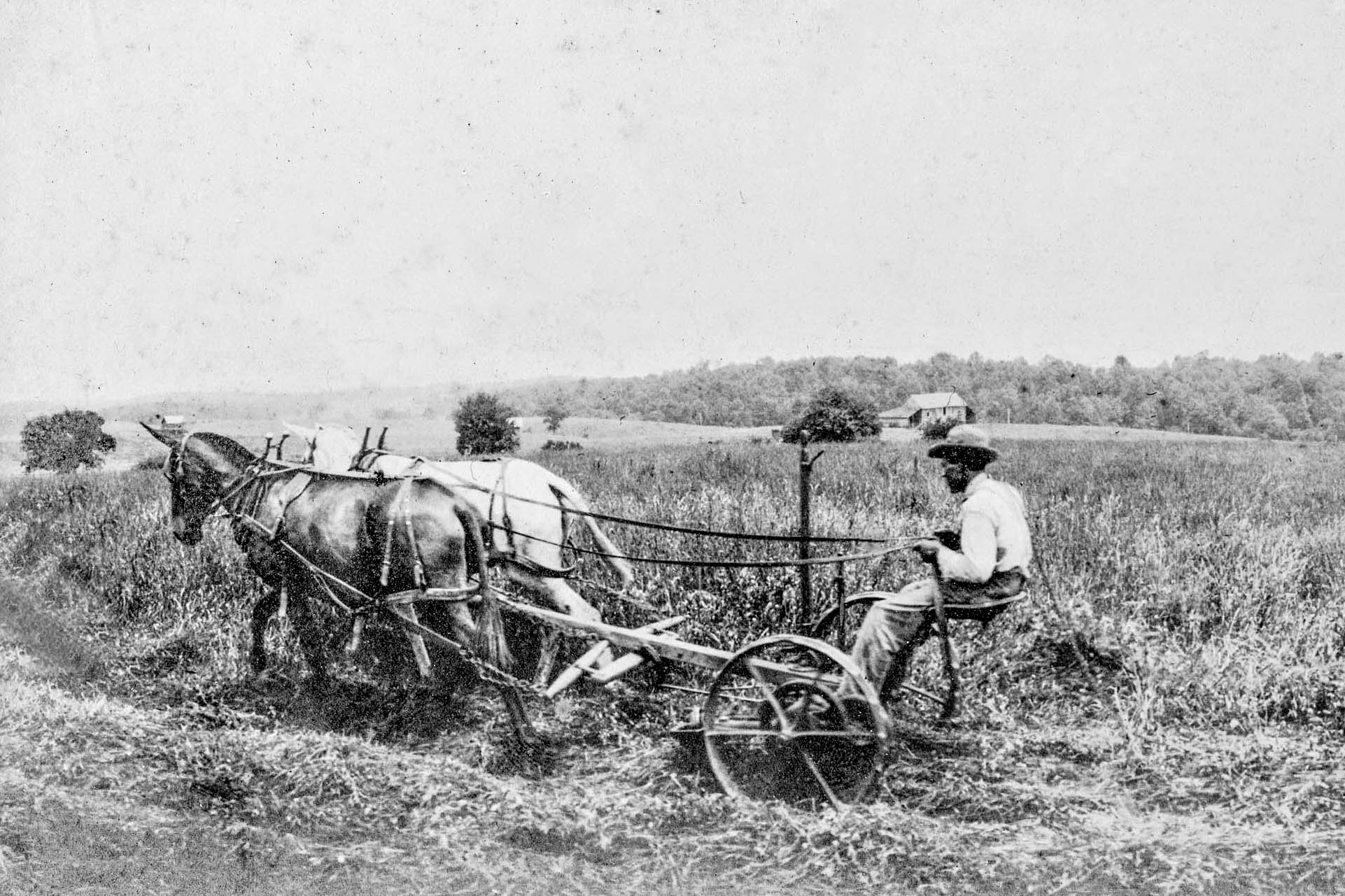
Reconstruction took a long time in Scottsville. With the canal damage and deteriorated roads, very little came to Scottsville markets, and bartering took the place of money when produce did come.
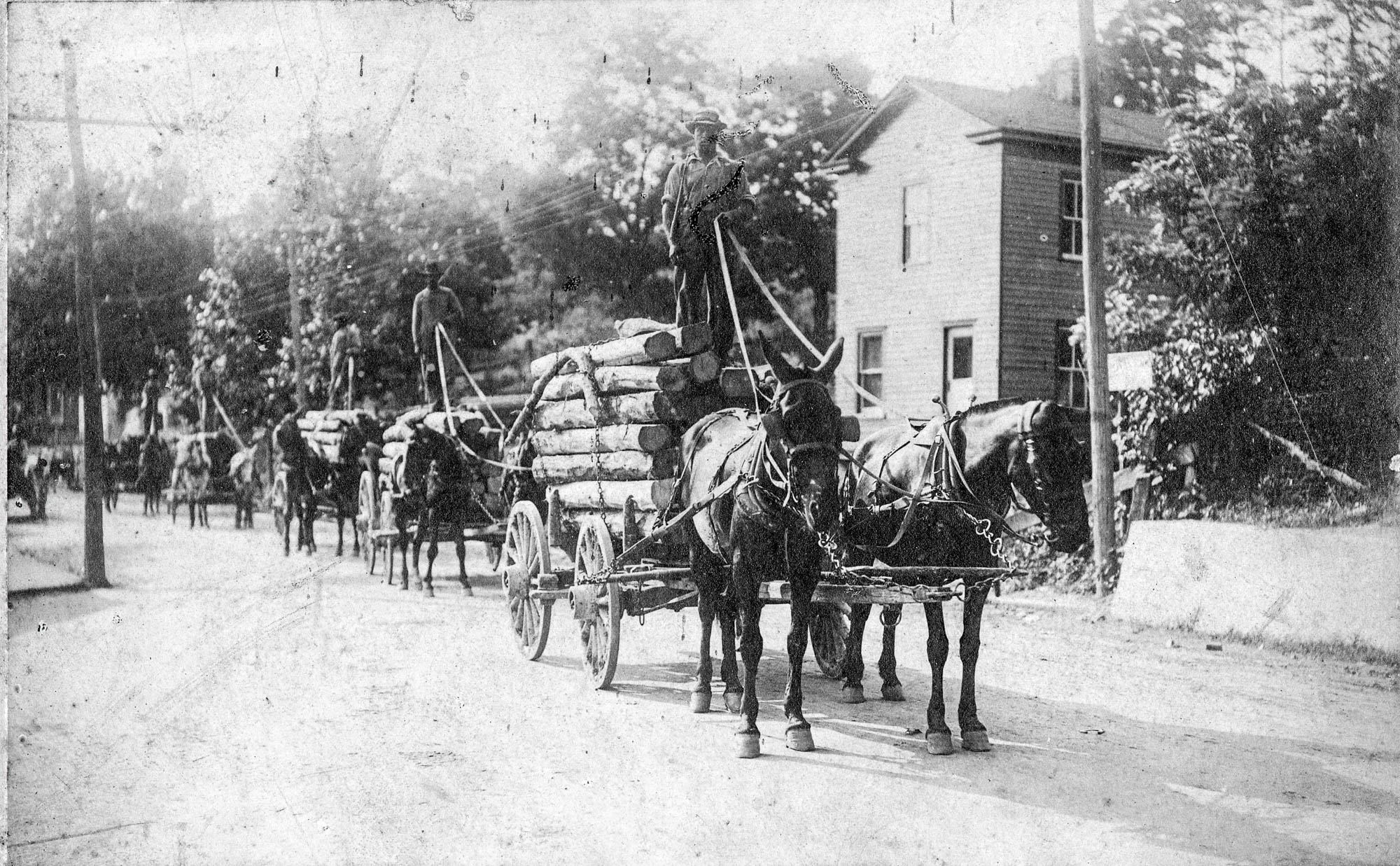
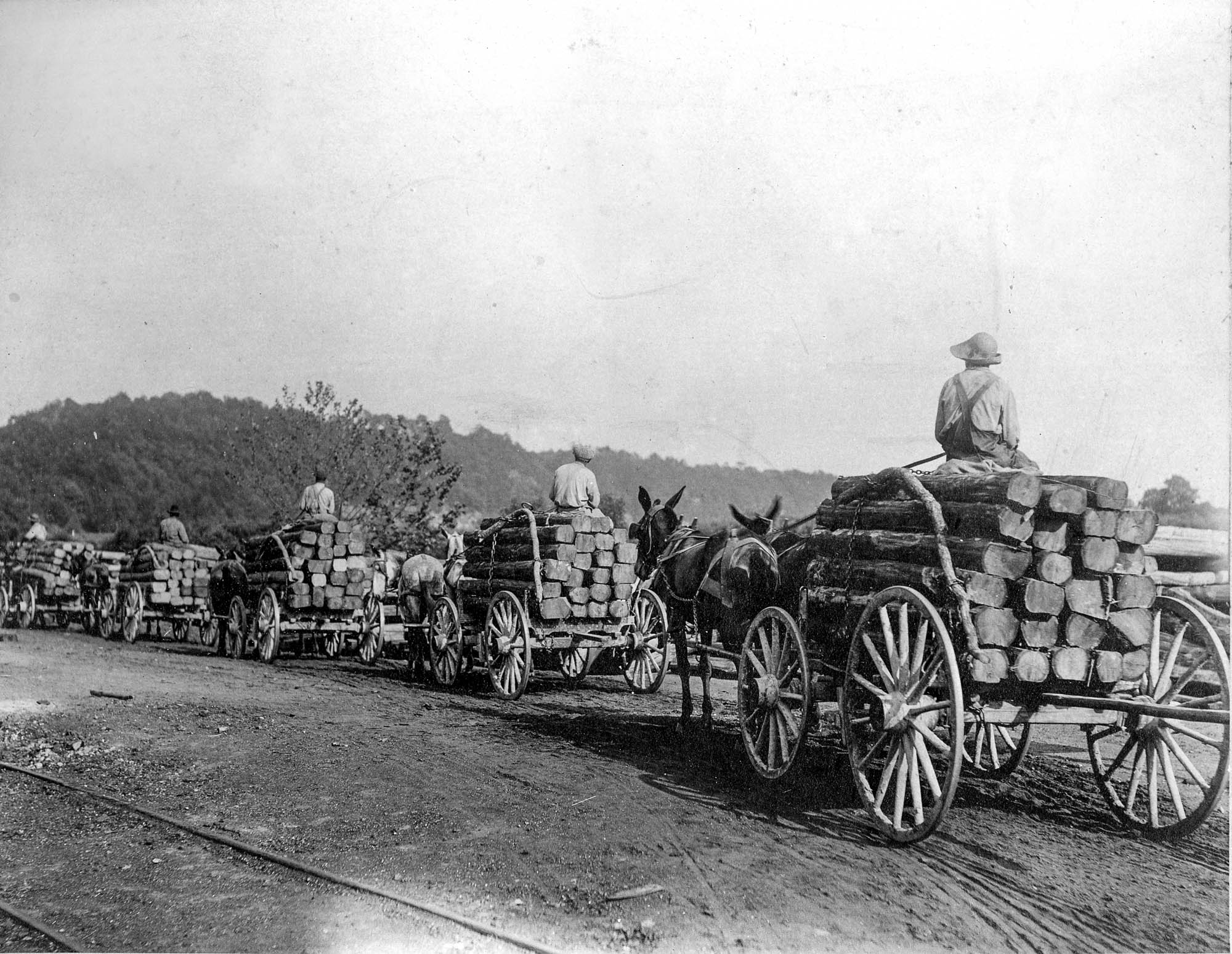
Several Scottsville canal boat owners switched to lumbering and provided crews to lay track. A telegraph line was constructed along the entire length of the railroad, connecting Scottsville with the outside world by modern means of transportation and communication. Yet Scottsville remained a small market town and in 1890 was described as a town of population 362 with good schools, six churches, grain and grist mills, a bank, and “all the facilities of a country town.”
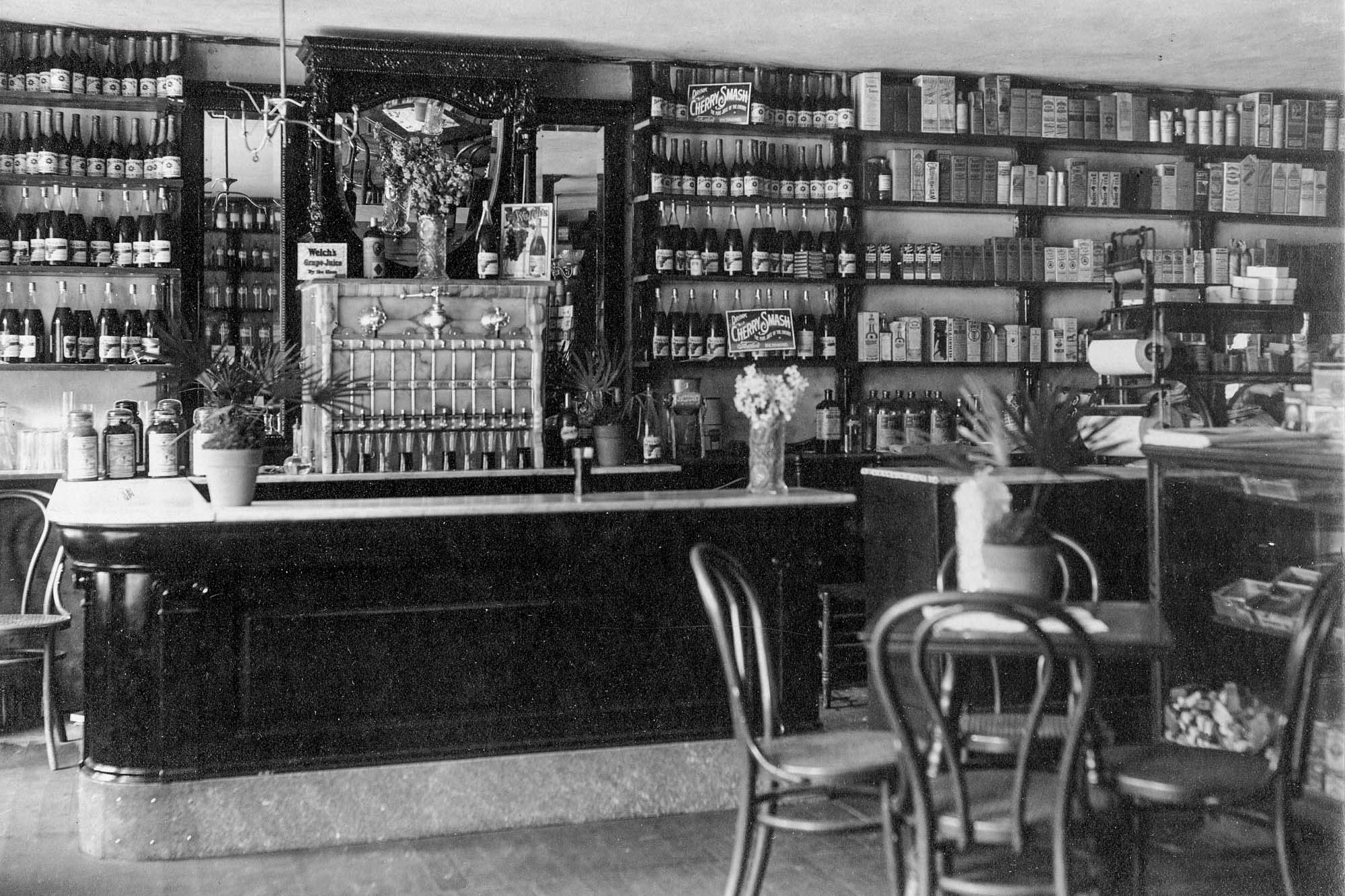
Scottsville businesses received a boost in 1907 when the Scottsville bridge over the James River was constructed. Two major highways intersected in town, and the modern era of automobile transportation arrived. Livery stables on Scottsville streets were replaced by three garages.
By 1920, Scottsville’s population numbered about 1500, including the immediate surrounding area just outside the town limits. The town had twenty stores, two large flour mills, an ice plant, a theater, three garages, a braid factory, two large oil companies, two restaurants, one boarding house, two drugstores, three doctors, one dentist, two schools, two dairies, one shoe shop, and and two blacksmith shops.
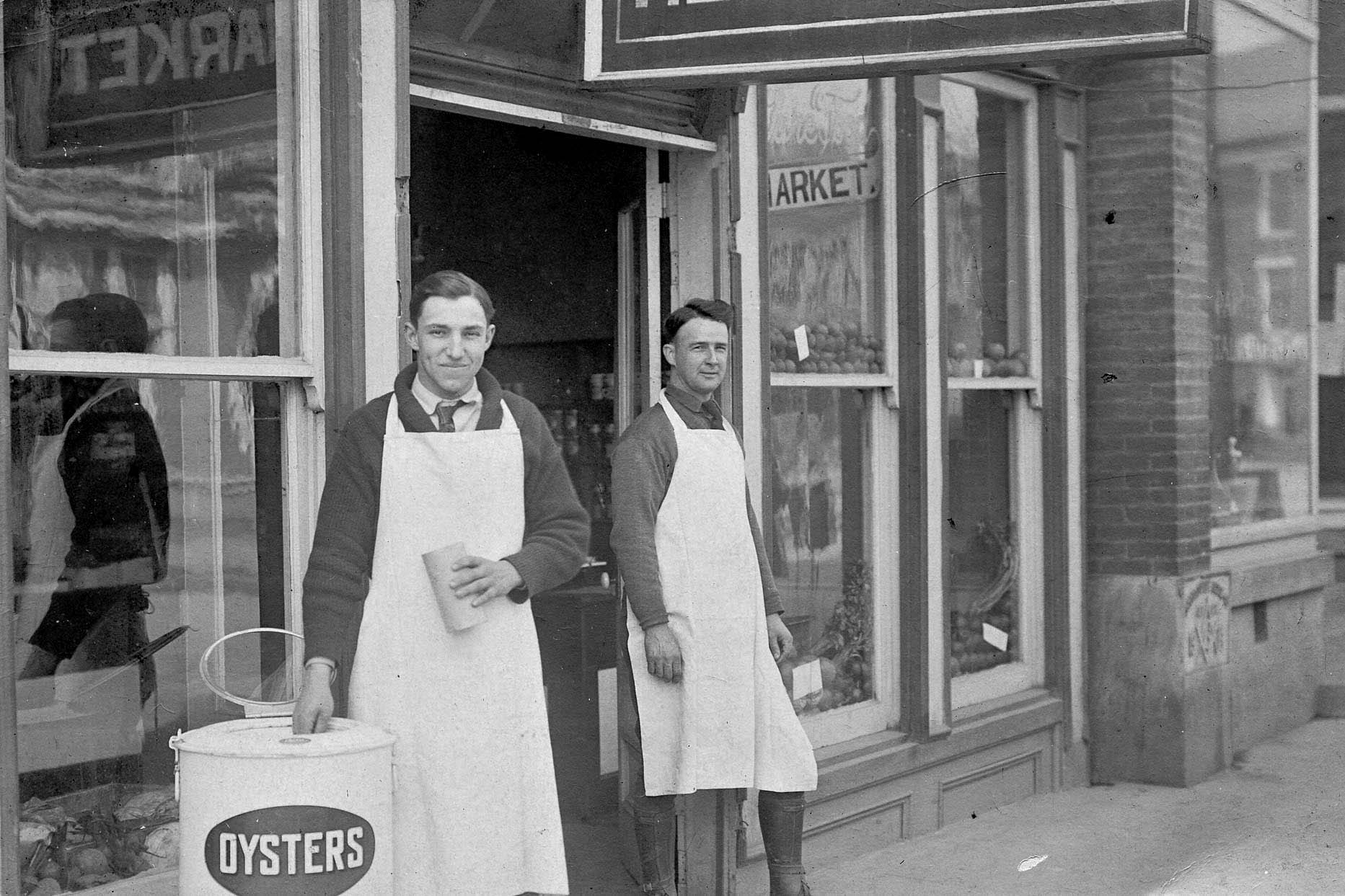
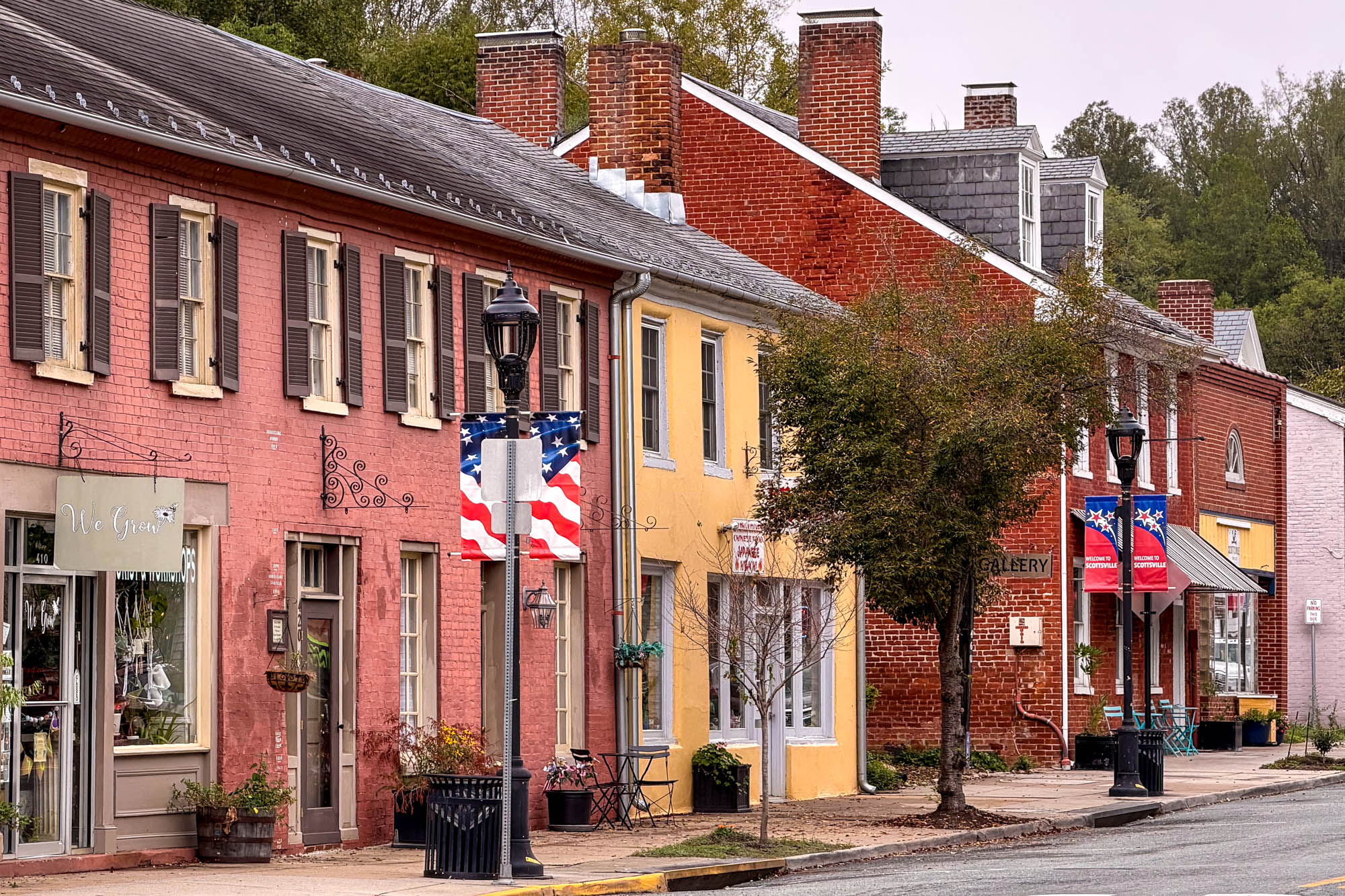
To learn more about early Scottsville businesses, click on each image below to open the corresponding articles.
– ) • 0 • ( –
-
The Dew Drop Inn
by Evelyn Edson The Dew Drop Inn went through a number of different owners. John Pearce remembers when it was a high school hangout in the 1950’s with plenty of loud rock n’ roll blaring from the jukeboxes. He used to get a Dixie cup of ice cream that he ate with a wooden spoon.…
-
Opening Day at Scottsville Creamery
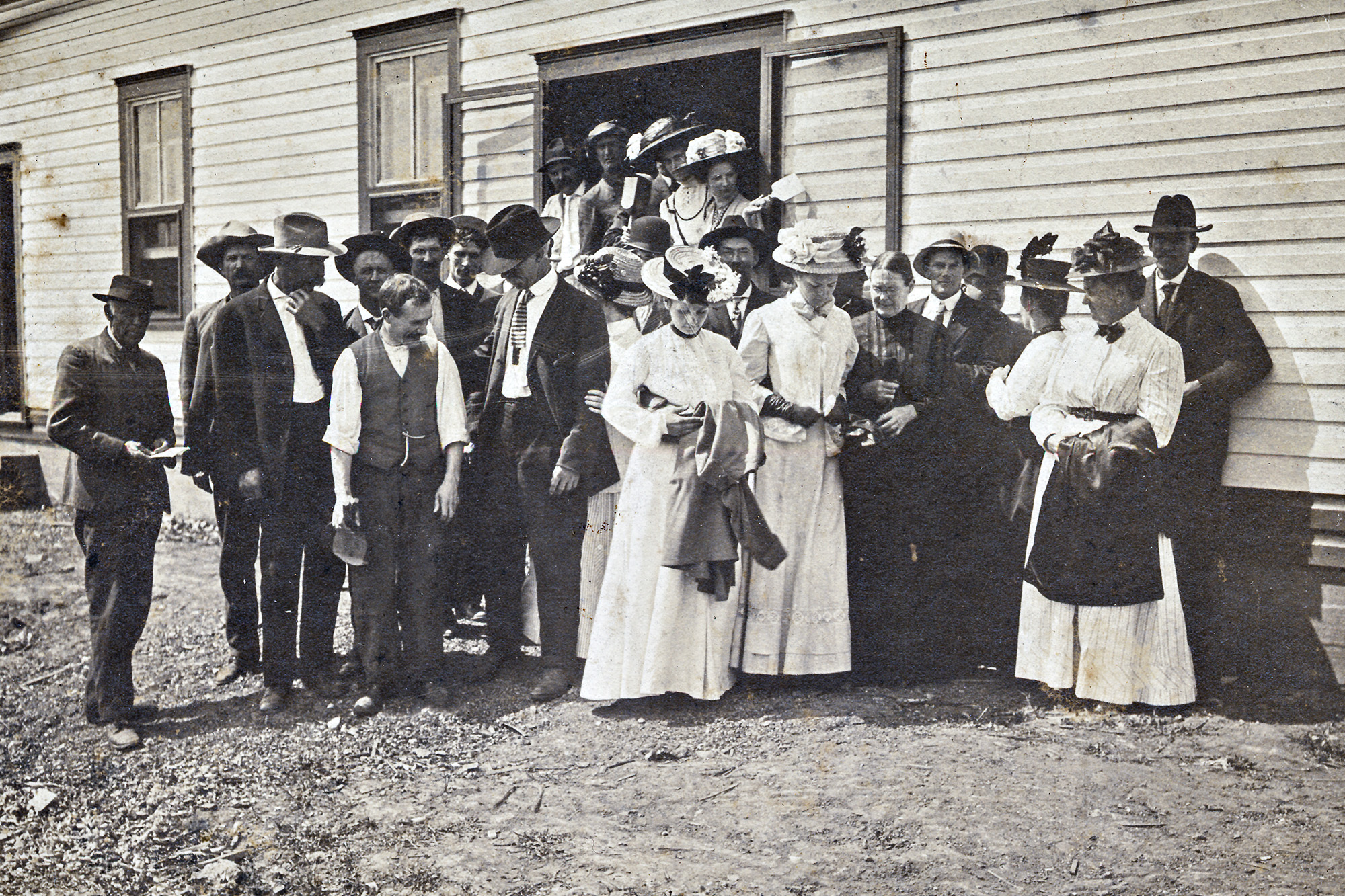
Shown above is the crowd standing in front of the Scottsville Creamery on West Main Street during its 1910 opening day celebrations. This business venture evolved in 1909 as Scottsville sought new industries in their town, which they felt was geographically situated so as to command good trade from all of Virginia if it produced…
-
Charles Thomas Moon’s Grocery Store
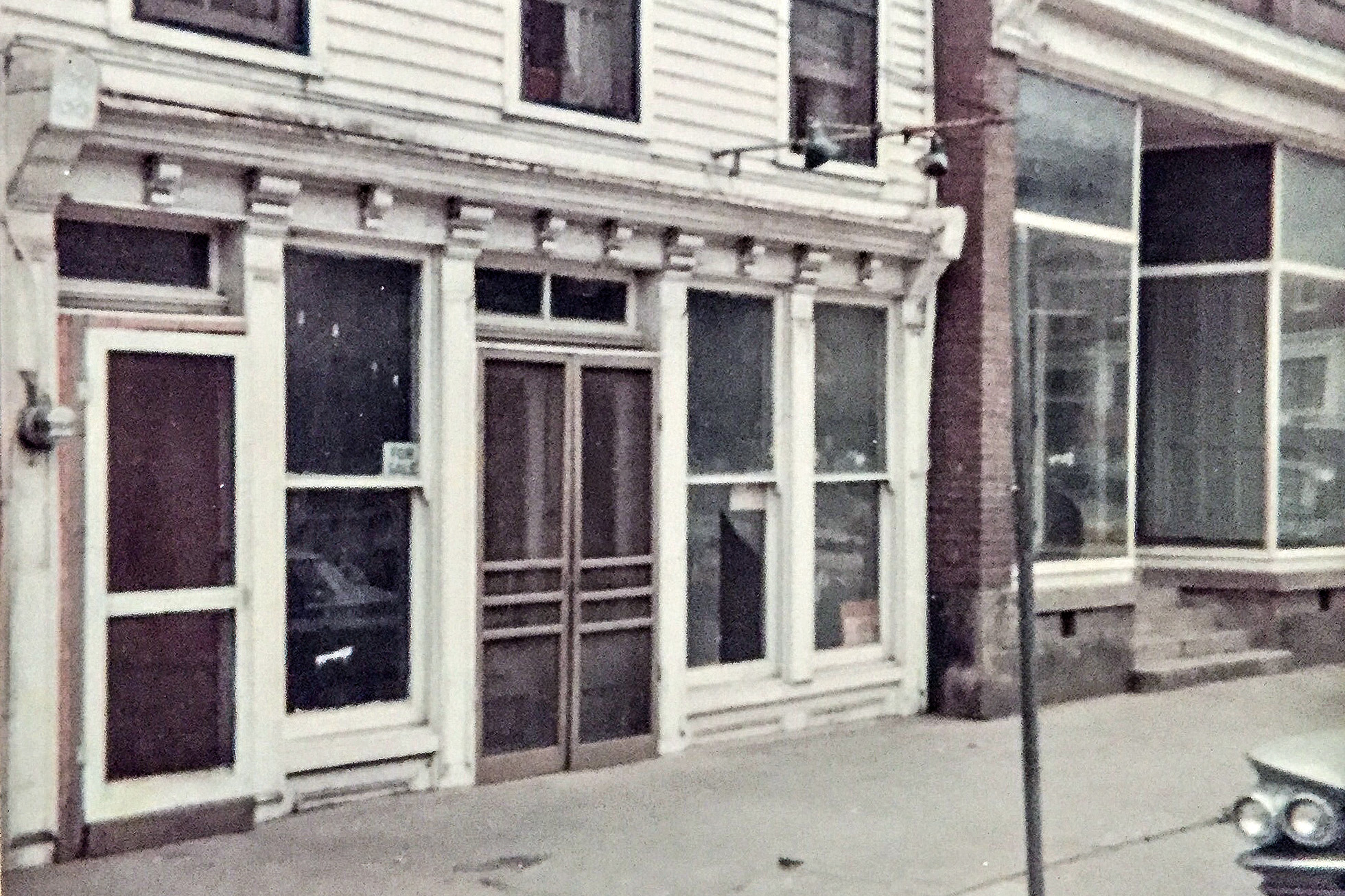
The Charles Thomas Moon grocery store sat between the Masonic Lodge and the very edge of Mink Creek on Scottsville’s Main Street. On its first floor was the small store owned by Mr. Moon, Charles T. Moon Grocery, and this building’s second floor hosted a small apartment. Mr. Moon operated his grocery roughly between 1900-1920.…
-
Bottles Tell Scottsville’s History
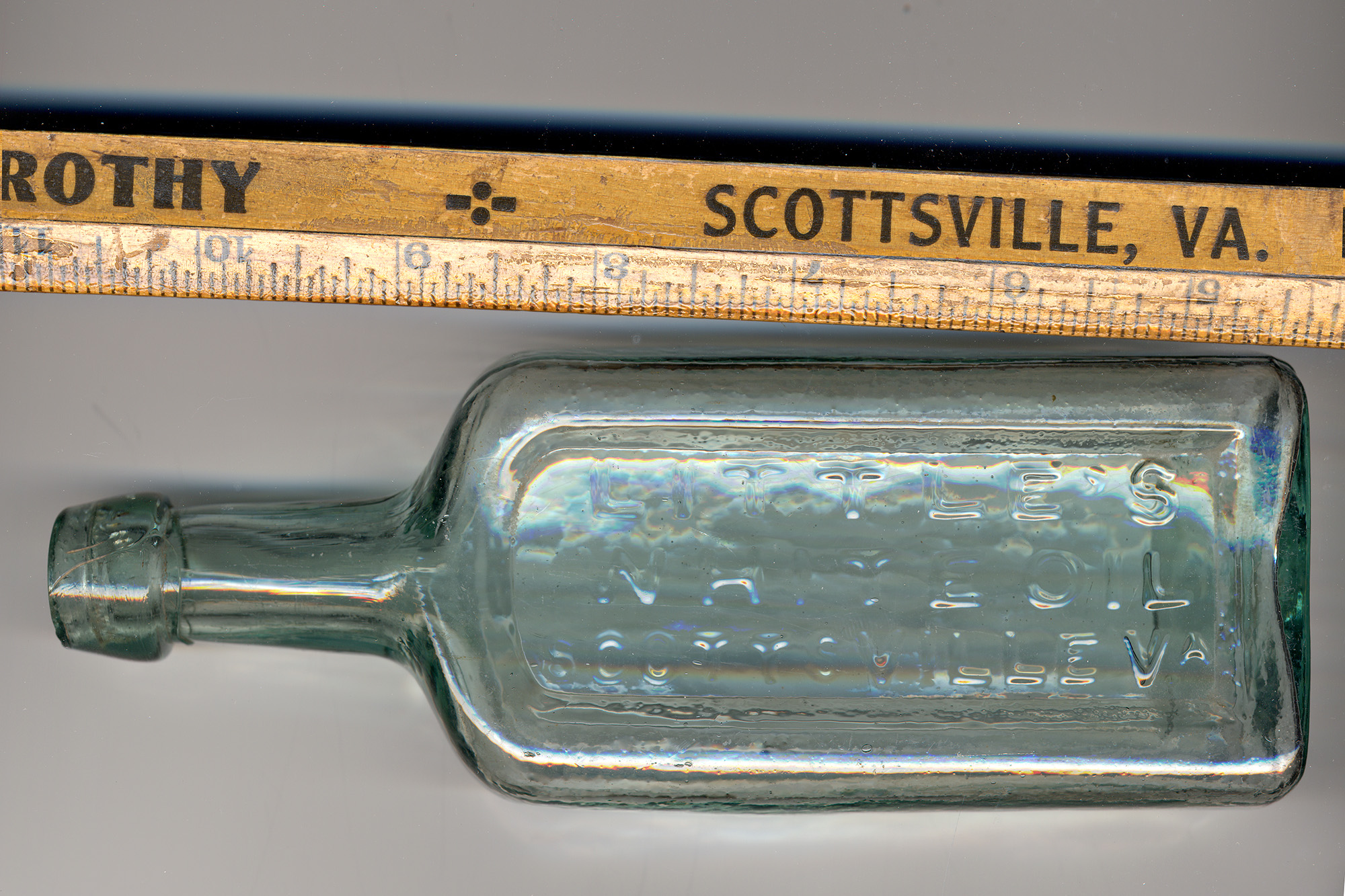
by Ruth KlippsteinScottsville MonthlySept. 15-Oct. 13, 2016 I have returned to talk to two of the important keepers of Scottsville memories, whose efforts to build and consolidate the historical record of our town have of our town have helped so much. Jack Hamner, who lives in the area, was born in Scottsville, became a collector…
-
Little’s White Oil ~ Scottsville, VA, 1837-1866
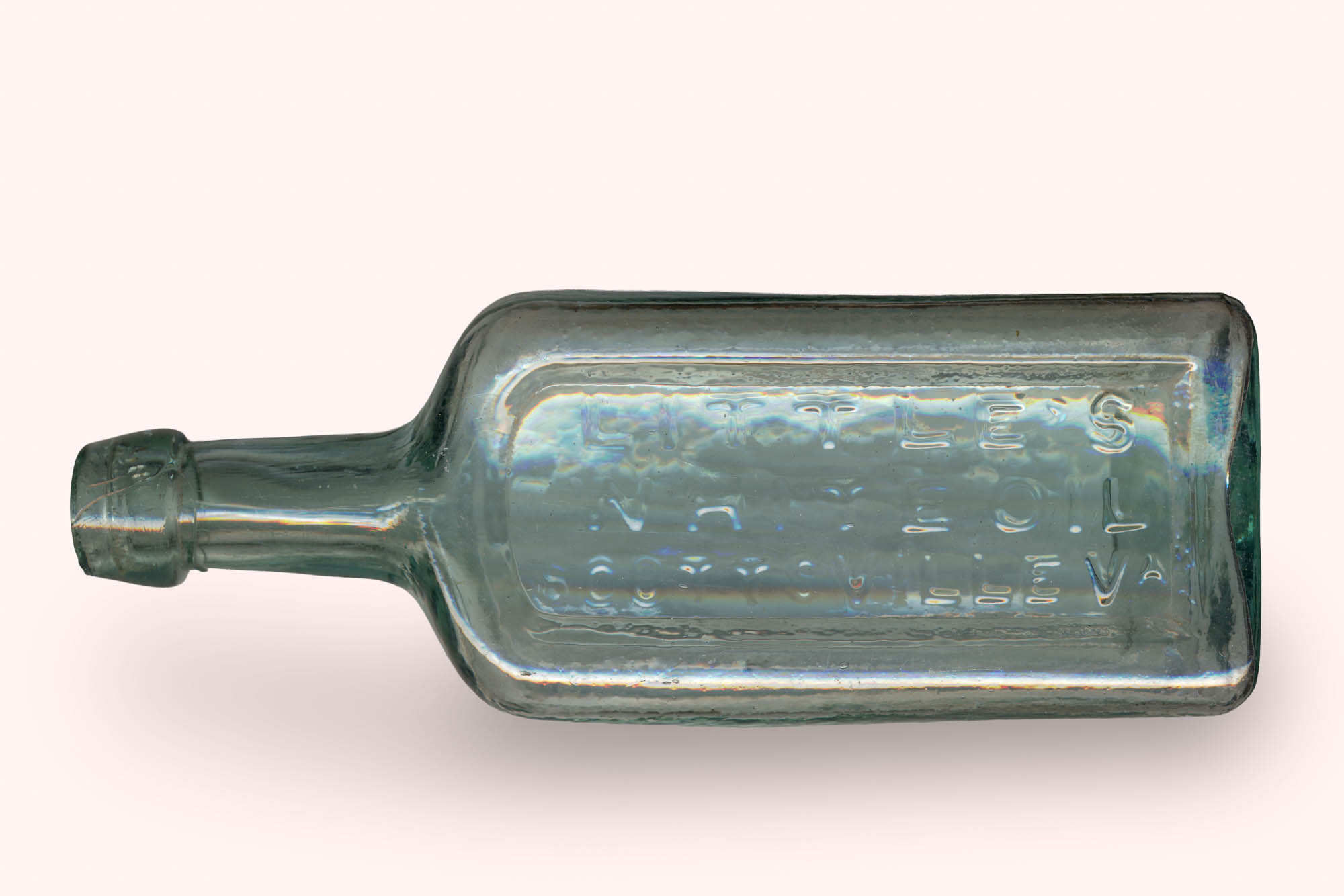
Shown above are two bottles that were once filled with Little’s White Oil, a patent horse liniment compounded and patented by Theodore Wallis Little of Wayne County, NY. This liniment was manufactured and sold by the drug business established by Theodore with his brother, Charles Ebenezer Little, between 1837-1866. During this time period, Theodore also…
-
Bank of Scottsville ~ 1852-1865
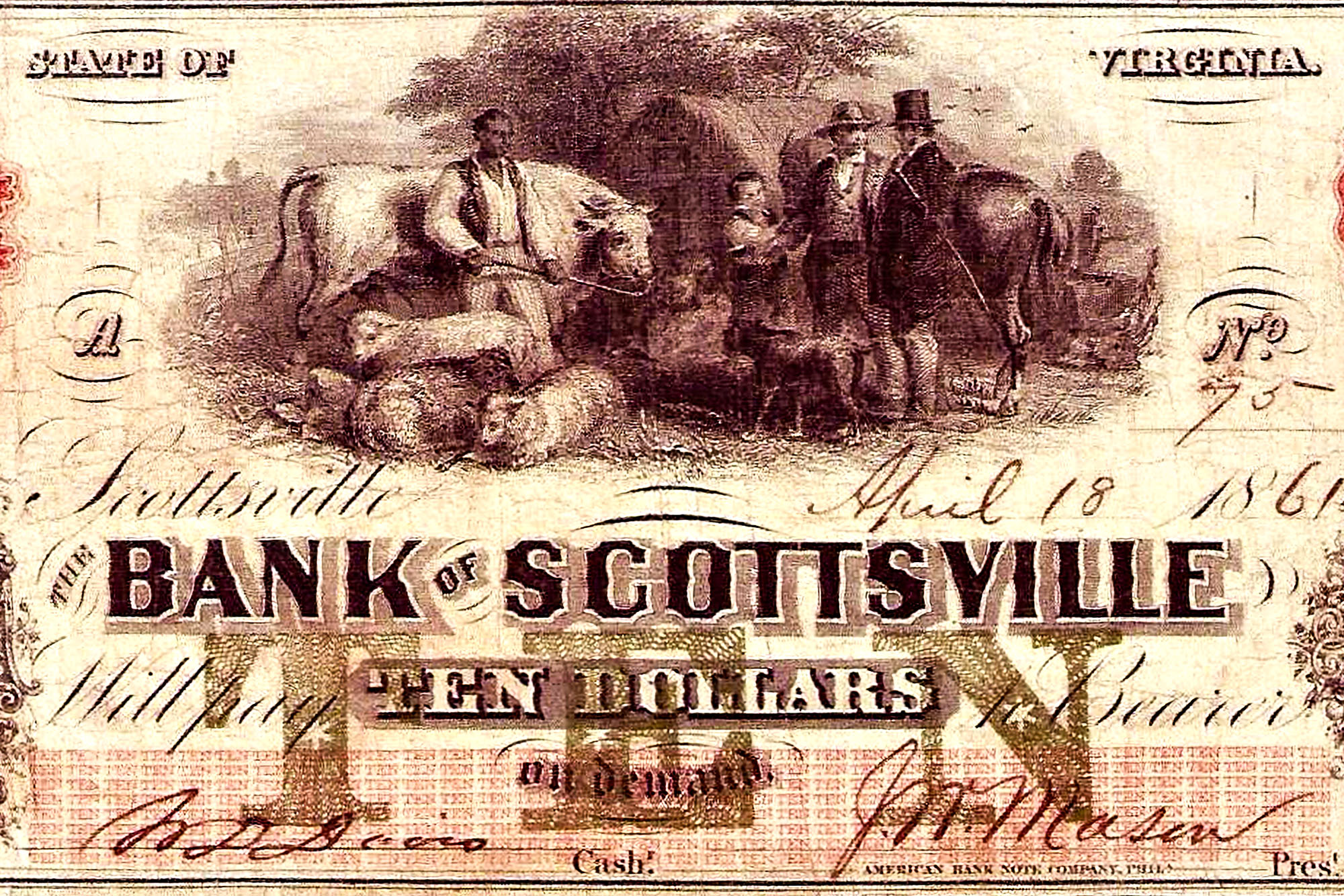
by Robert Tharpe The Virginia General Assembly passed an Act to establish the Bank of Scottsville in the County of Albemarle on March 12, 1849. James W. Mason, a notable Scottsville resident and builder of “Old Hall” was listed as a director. The Bank was not established then, however. Three years later, the Bank was…
-
Arson Suspected in Two Destructive Fires on Main Street in 1976
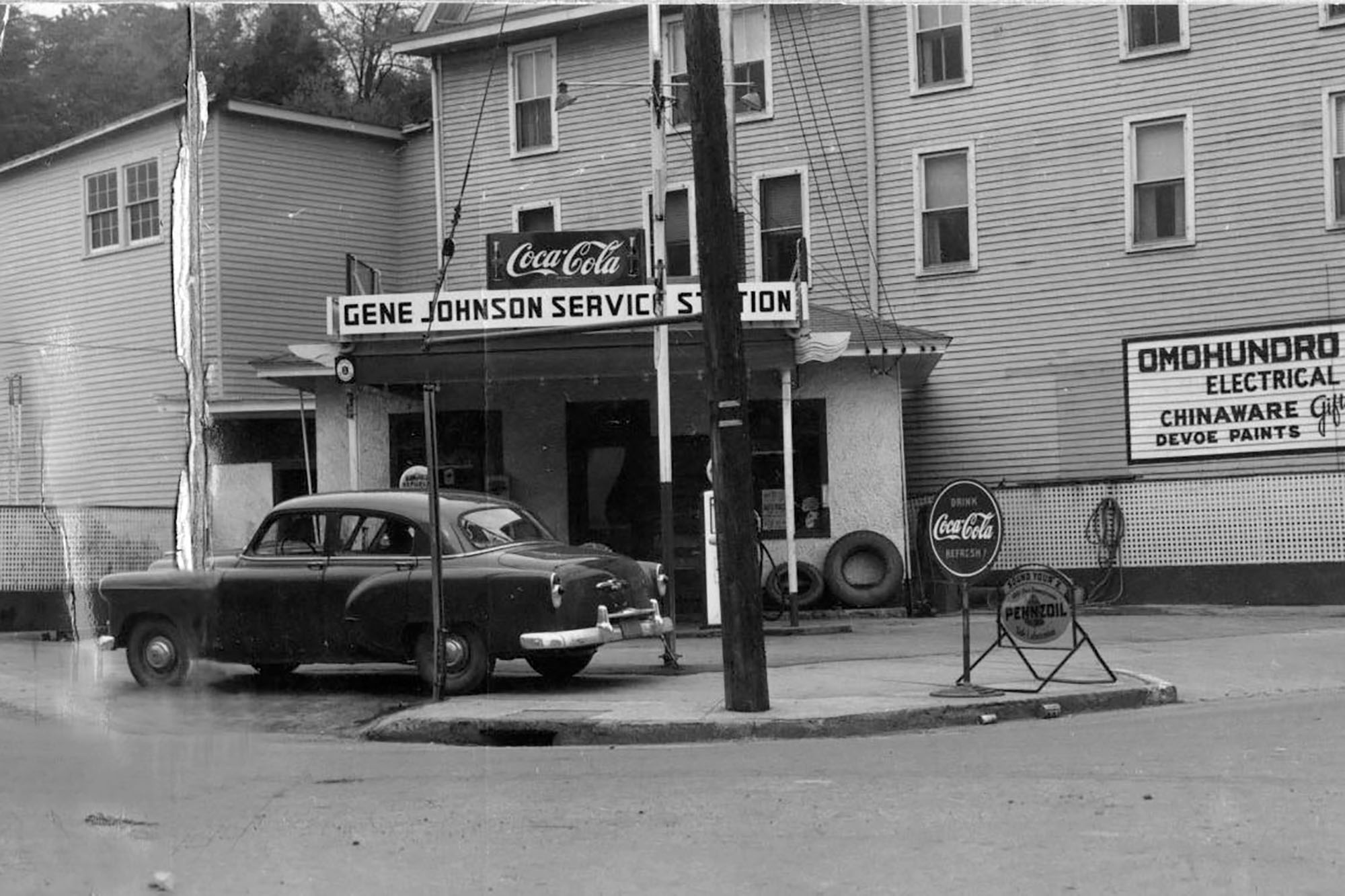
Two Large Fires Raged On Scottsville’s Main Street in February 1976, destroying a church and four businesses at the center of town. They appeared to be the work of an arsonist who was never found. The photo above of the intersection of Valley Street (left) and Main Street (right) shows the Esso Station, run by…
-
Life of a James River Batteauman

Text and photos by Barry Long The James River has been a watery highway of boat transportation since before John Smith sailed into its mouth in 1607, whereupon he was greeted by people traveling in dugout canoes. It remained the single most important avenue of transportation in the Colonies for hundreds of years, not only…
-
Laying Cornerstone of Scottsville Plant

Date: May 24, 1944 Image Number: RT01cdRT02 Scottsville Plant was built in 1944 by the Defense Plant Corporation to help the nation’s war effort. It was designed and constructed to provide tire fabric and was operated by the Textile Division of the U.S. Rubber Company. The cornerstone-laying ceremony for this plant was sponsored by the…
-
The Harris Sisters

The Harris Sisters – Florence, Nannie, and Etta – were the daughters of Martha J. (Minor) Harris and Lafayette Harris. After Lafayette died in 1856, Martha supported the family by operating a millinery and dry-goods shop in what is now known as the Harris Building, at 474–476 Valley Street. The building, constructed about 1840 with commercial…
-
The Harris Building

The Harris Building, located at 474-476 Valley Street, was built circa 1840 as a commercial building with living quarters on the second floor. When her husband, Lafayette Harris, died in 1856, Martha J. (Minor) Harris began a millinery and dry goods store here to support herself and her three daughters, Florence, Nannie, and Etta. The…
-
Let’s Roll a Hogshead!

by William E. Trout, III,Virginia Canal Museum, Madison Heights, VA A picturesque phase of tobacco marketing in the Colonial and Early National period in Virginia was the practice of rolling the hogshead of tobacco from the plantation to the place of inspection and sale. Transportation of tobacco in this manner was considered by William Tatham…