
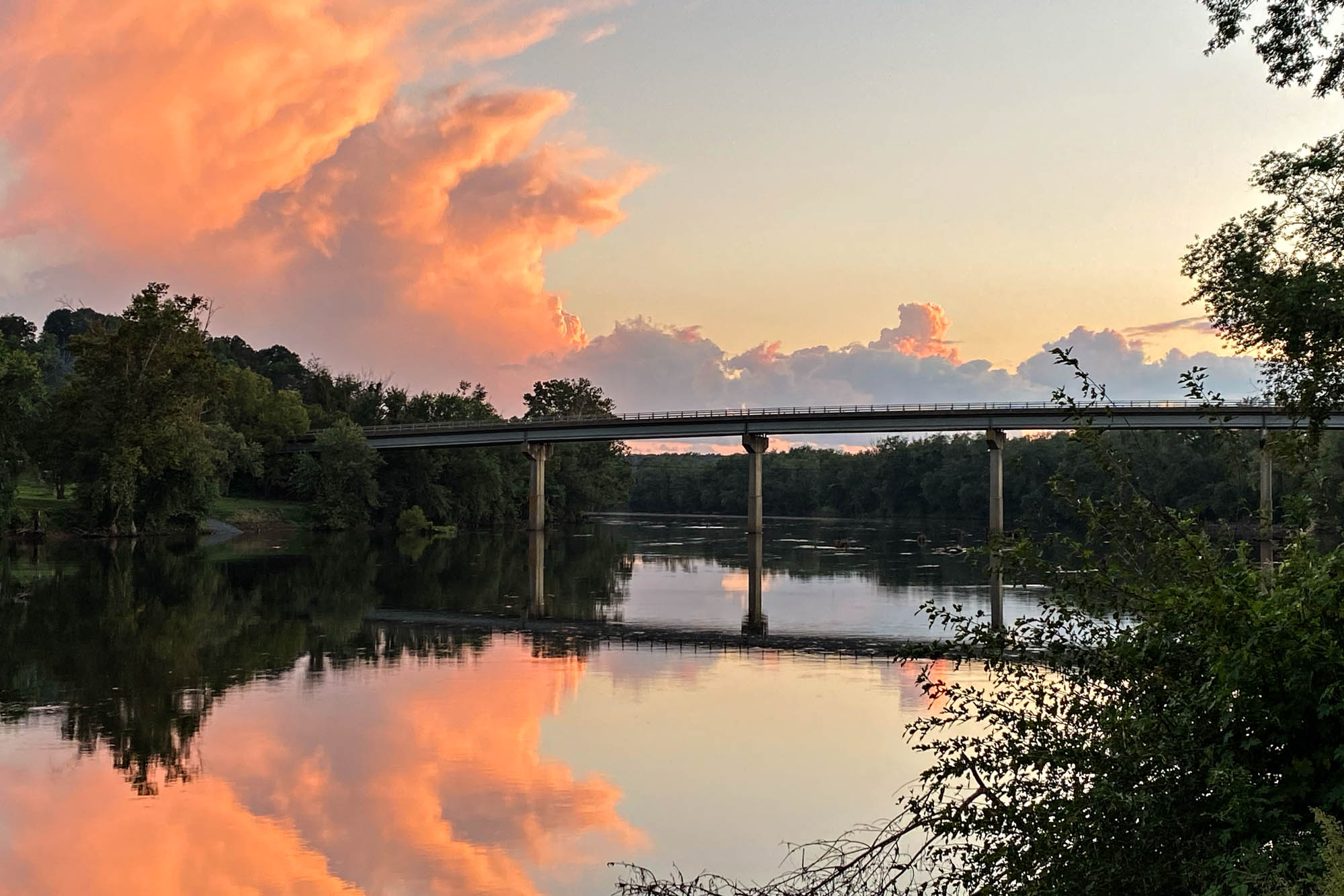

William Burgess Collection, Scottsville Museum • Image Number: B53bcdB16
by Evelyn Edson, President
Scottsville Museum
Scottsville was founded in 1745 at the horseshoe bend, a traditional crossing point where there was a gap in the bluffs lining the James River. I suppose most of us, who have lived in Scottsville for a while, have waded across the James when it was at its lowest point and the tubers were bumping their bottoms on the rocks. But you are well aware that there are many days when fording the James is not a human possibility. It certainly brought the Union troops to a halt in 1865.
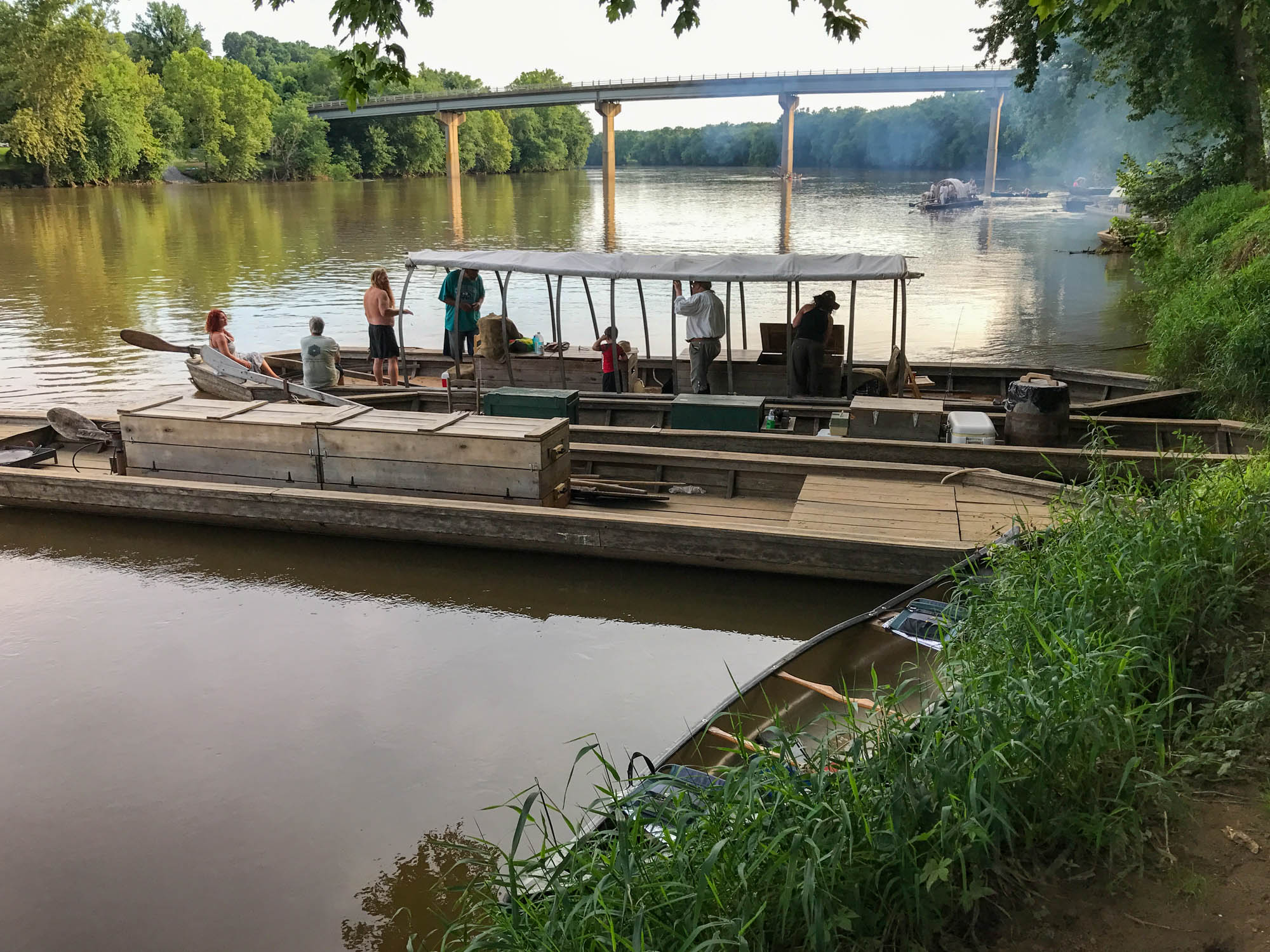
Recognizing the need for a more reliable crossing from Buckingham to the (then) Albemarle County seat at Scottsville, Daniel Scott, one of the founders of the town, applied for a permit to establish a ferry at the river end of what is still Scottsville’s Ferry Street. For 162 years, the ferry transported passengers from Scottsville to Buckingham and back. In 1907, the ferry was made obsolete by the building of the first bridge across the James at Scottsville; see photo below.
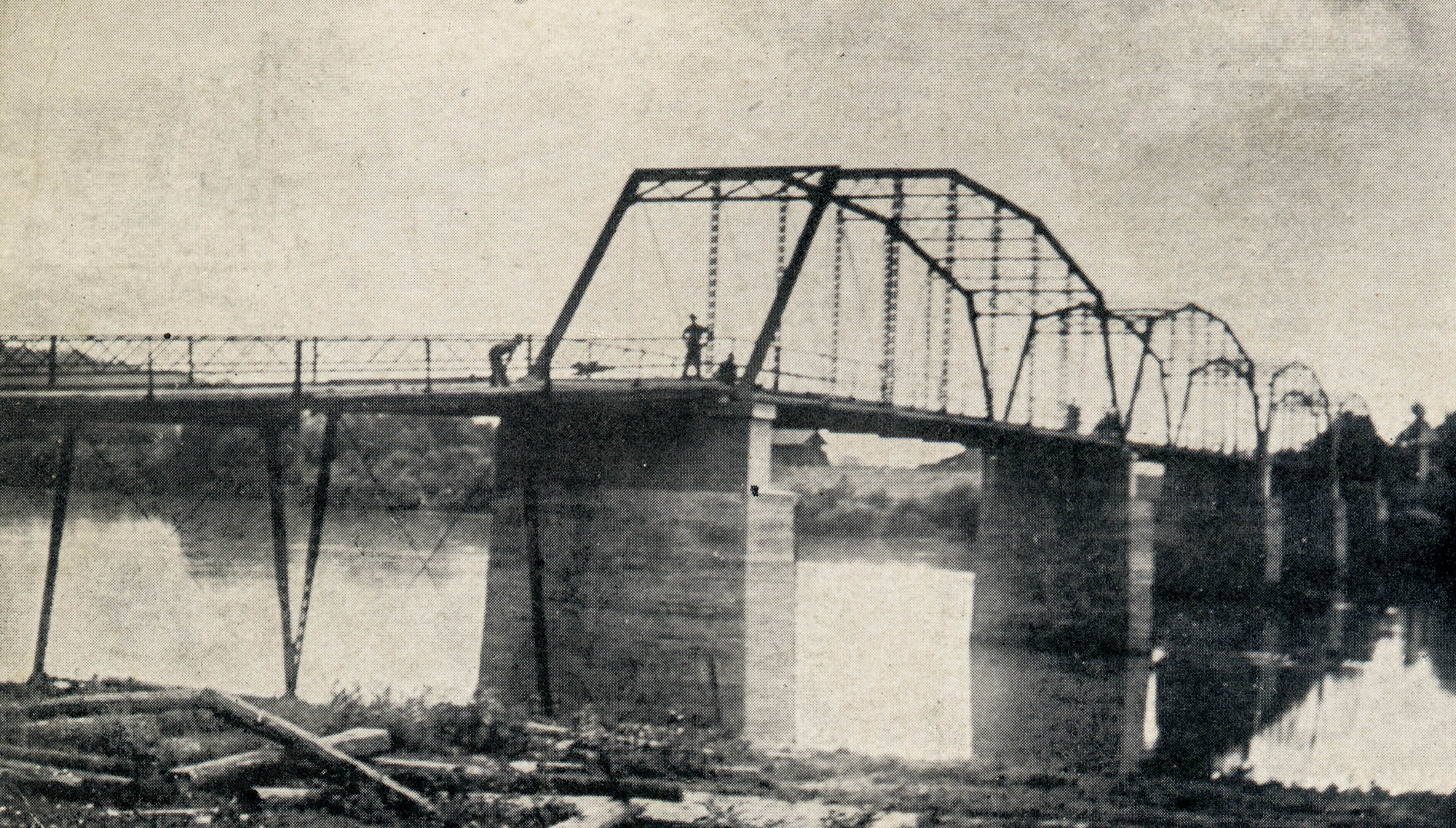
A 1907 photo (see below) shows the ceremonial last voyage of the ferry with the new bridge in the background.

If you want to experience crossing the James by ferry today, you will have to travel up the river to Hatton where their old ferry still operates on weekends. Do check the Hatton Ferry website, though, for water levels
The new bridge seemed the latest thing in modernity in 1907, but it, too, was doomed to be replaced. Old timers still recall the rattle of the wooden planks on the bridge floor.
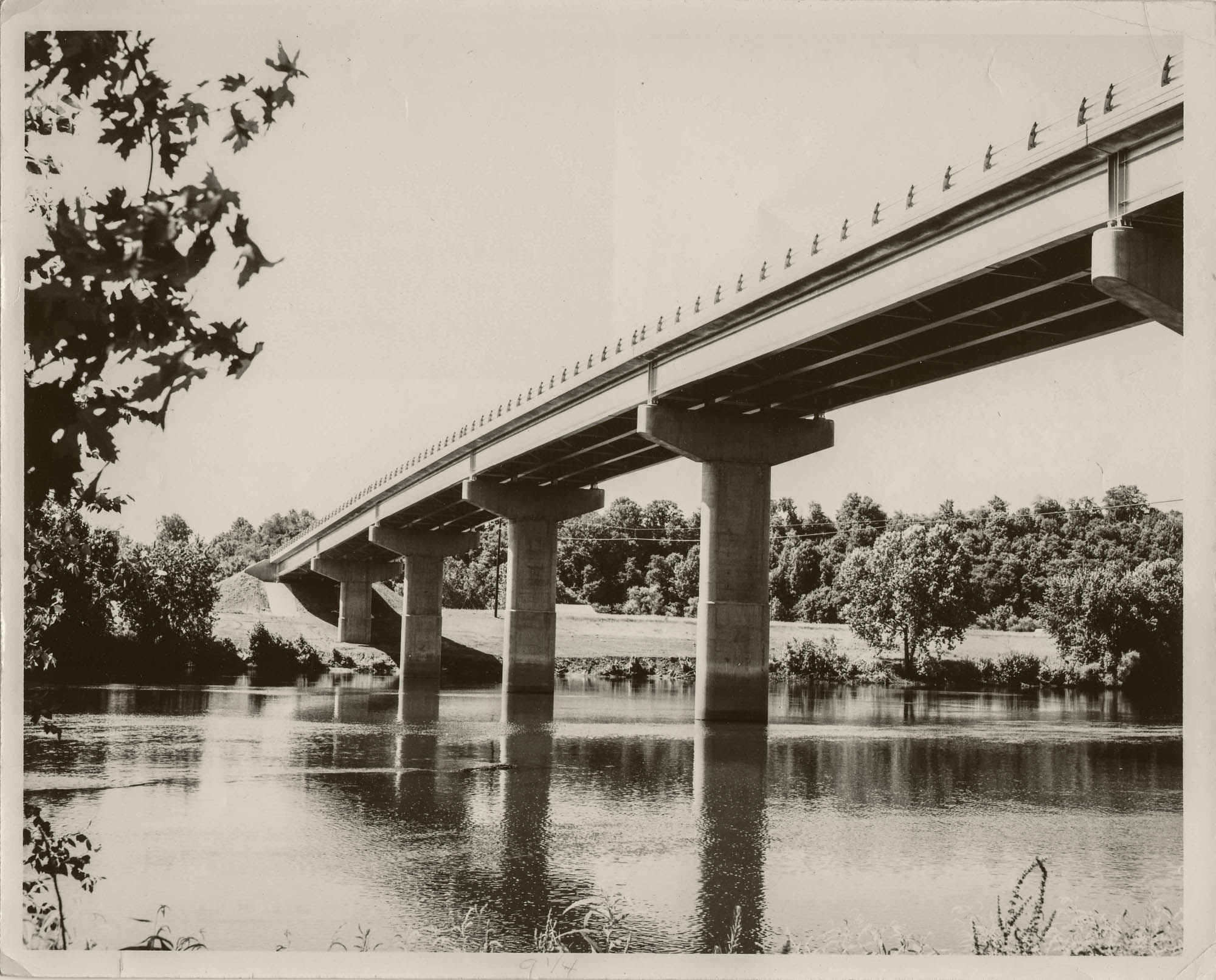
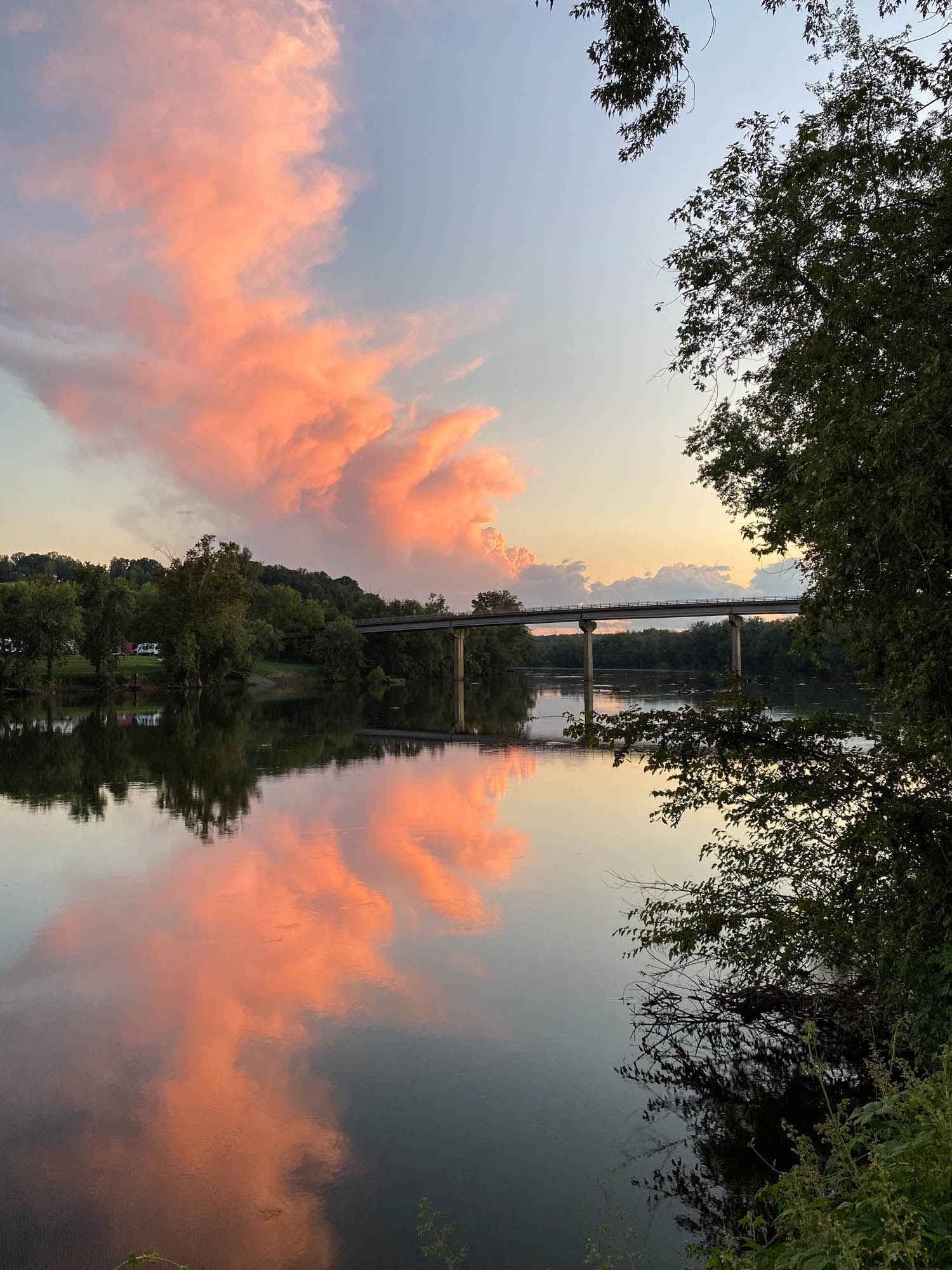
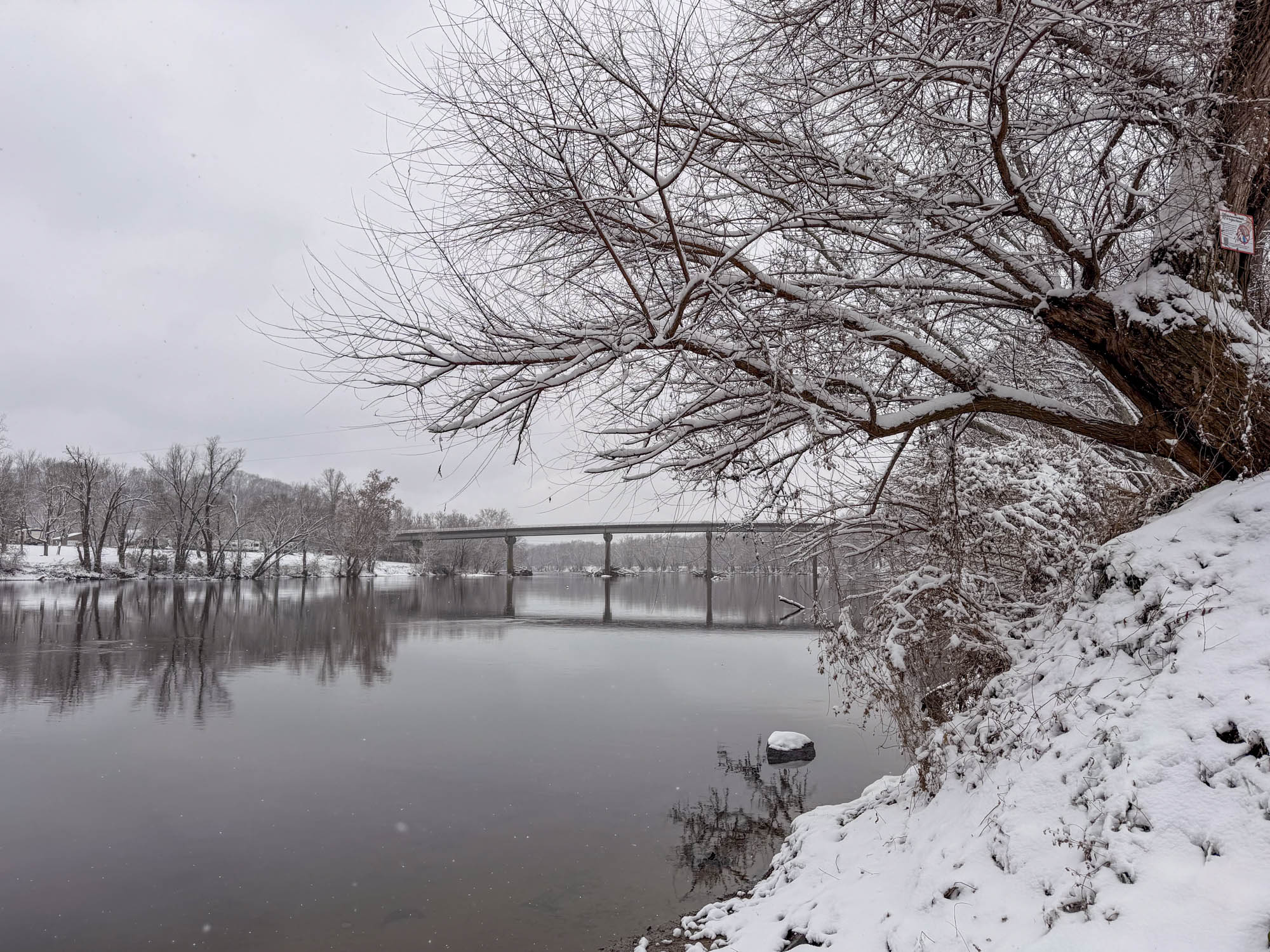
On July 4, 1968, a new bridge was inaugurated, the one we still cross the river on today. It was situated upstream from the old location to permit crossing the river from Valley Street. When the new bridge was completed, the old one was dynamited, and as Virginia Moore writes, “It keeled over with a groan and sank.”
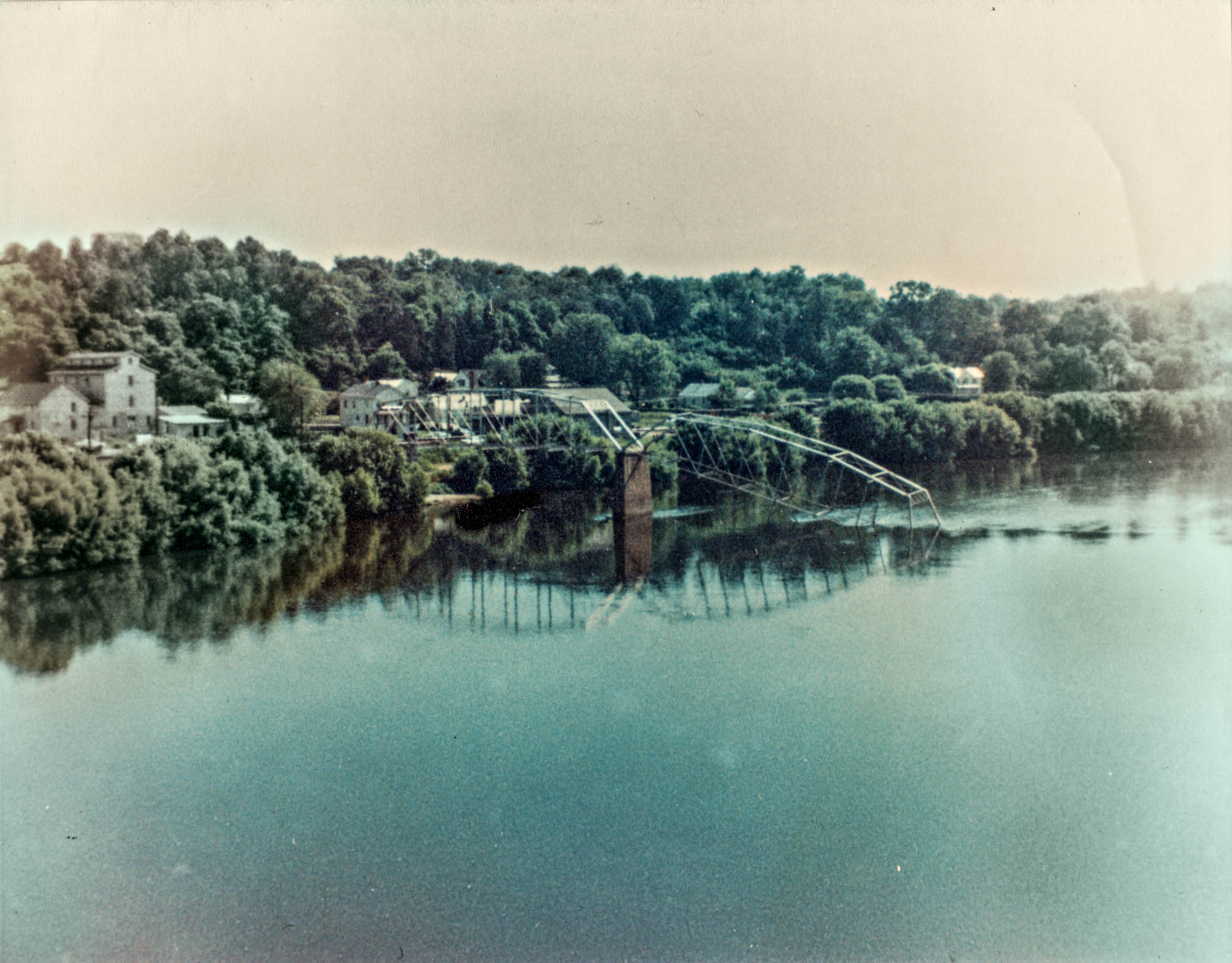
Photo courtesy of Edna N. Nees.
The new Scottsville Bridge was completed in 1968.
To learn more about the geology of the Horseshoe Bend, visit the Scottsville Museum to see a short video by Adam Robinson and touch some of the rocks that have determined the course of the river.
Copyright © 2020 by Scottsville Museum
First Image Located On Capturing Our Heritage, CDB16:
B53bcdB16.jpg
B53bcdB16.tif
B53bcdB16.psd
Second Image Located On Capturing Our Heritage, CDB16:
B62cdB16.jpg
B62cdB16.tif
B63cdB16.psd
Third Image Located On Capturing Our Heritage, CDB41:
B679cdB41.jpg
B679cdB41.tif
B679cdB41.psd
Fourth Image Located On Capturing Our Heritage, RT13:
RT39cdRT13.jpg
RT39cdRT13.tif
RT39cdRT13.psd
Leave us a comment or share your story.