Category: Transportation
Horses, bicycles, boats, trains, and automobiles.
-
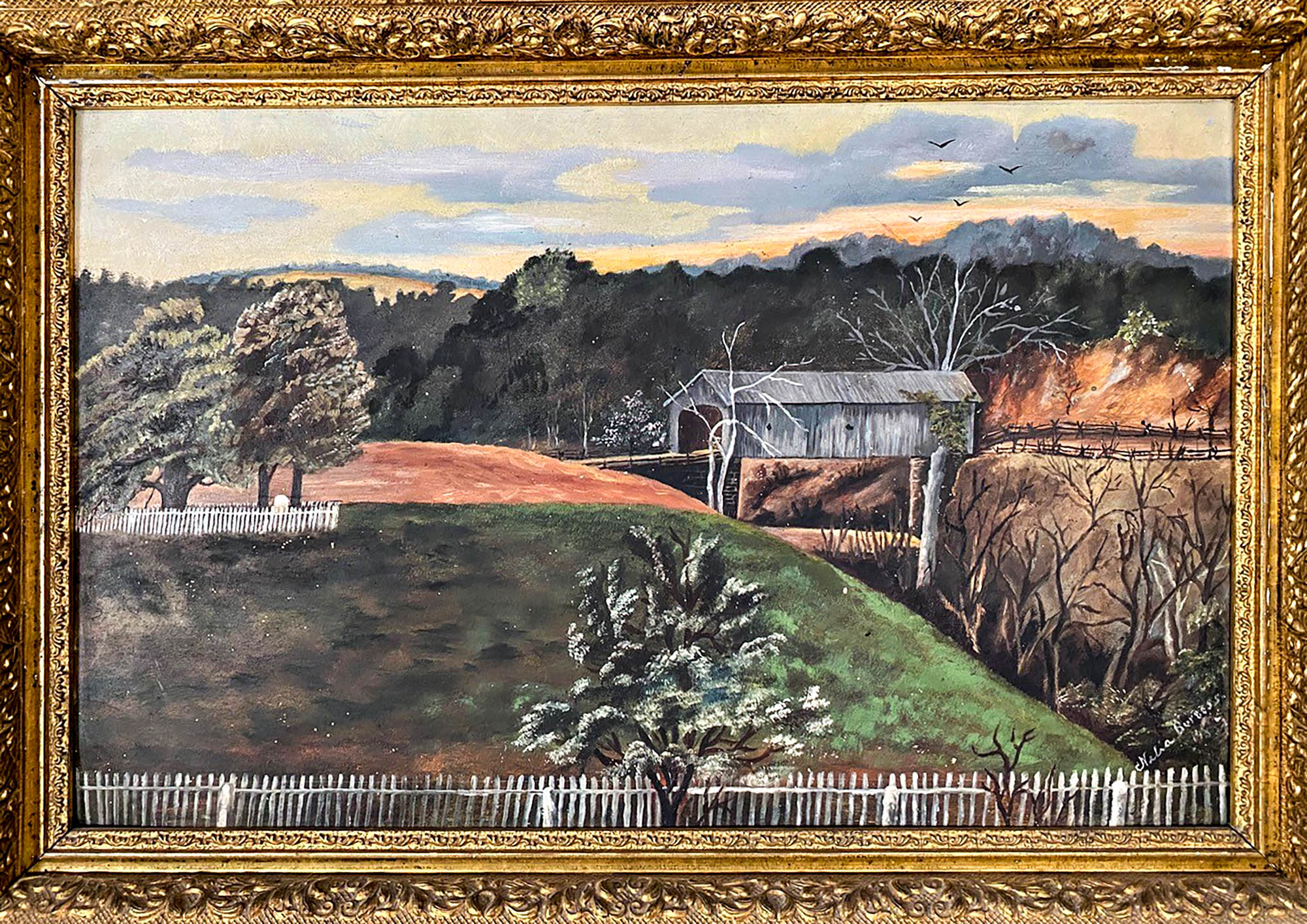
The Covered Bridge at Temperance Wayside
“We rattle through the Hardware River’s old-timey “rabbit burrow” bridge,” wrote Virginia Moore, talking about life in Scottsville between the wars. This was the covered bridge built about 1850 at Temperance Wayside where Highway 6 crosses the Hardware River. Sheridan’s departing troops had clattered over it in 1865. A painting by Cornelia Burgess Dorrier shows…
Written by
-
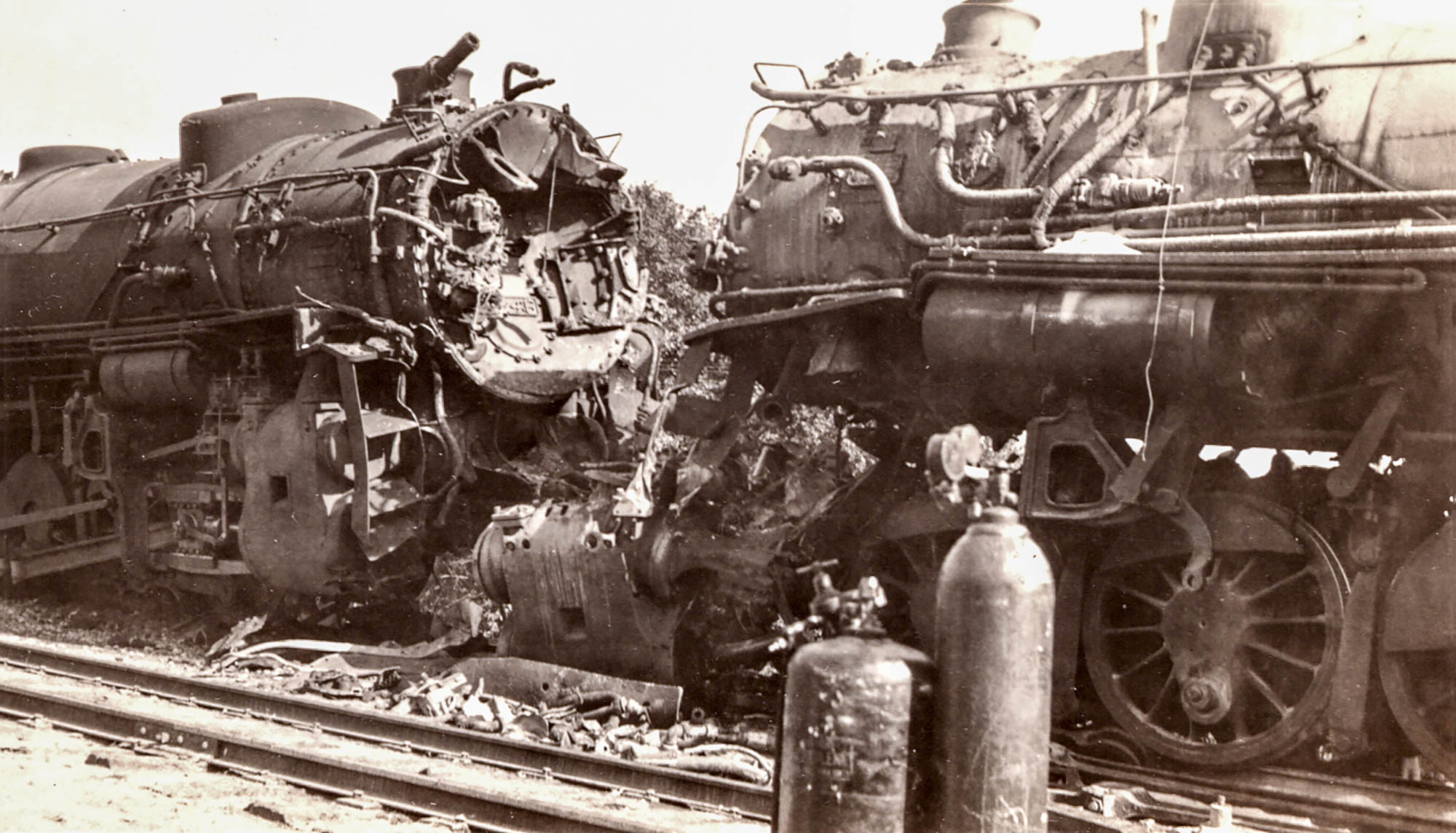
Train Wreck at Warren!
By Evelyn Edson It was early in the morning of September 10, 1935, when two C&O freight trains collided head on just west of Warren. There was a single track there, and the west-bound train received a signal to move onto a siding to let the east-bound train through. The engineer had received the signal…
Written by
-
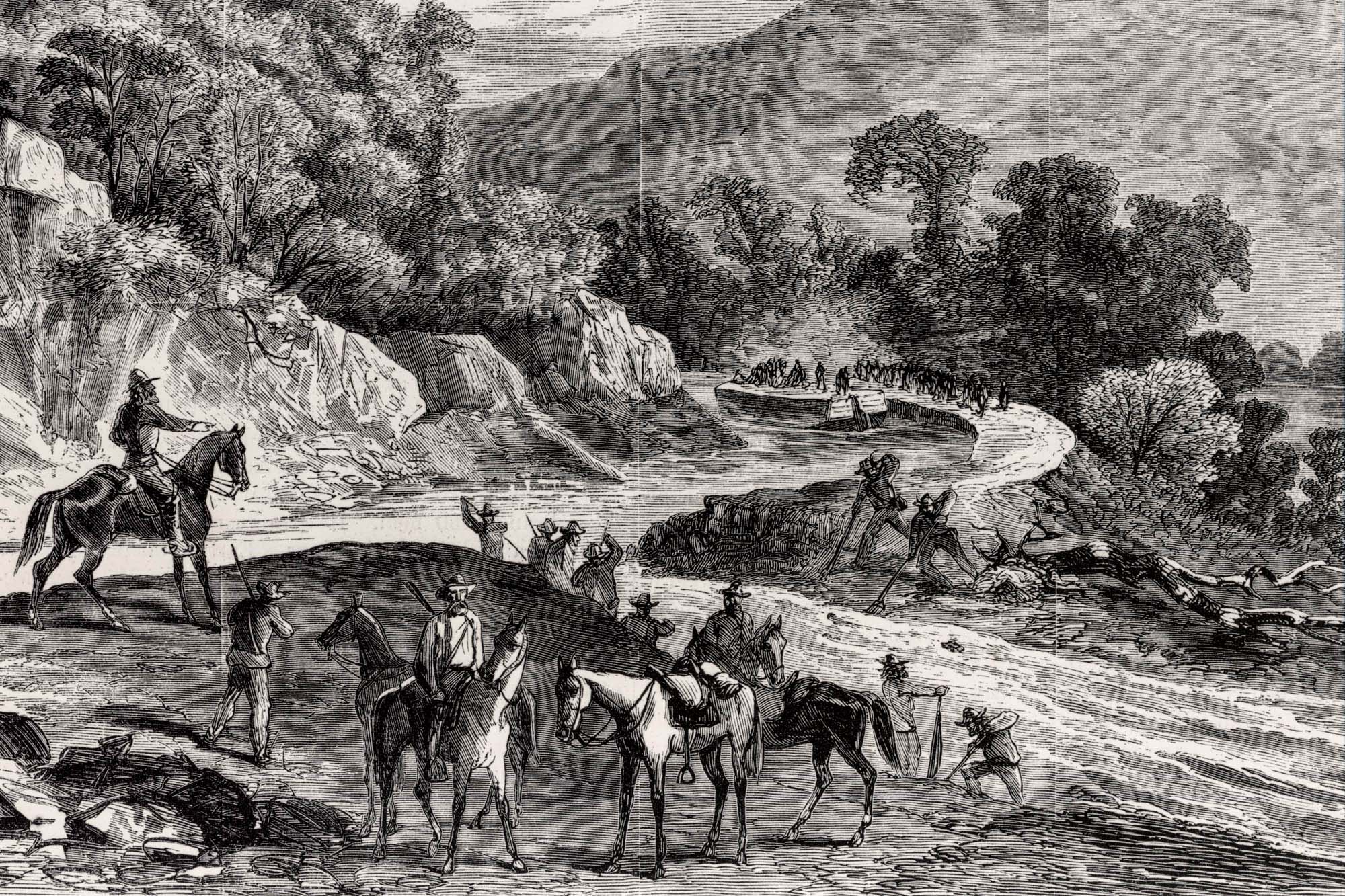
1865 Report to Stockholders of James River and Kanawha Canal
In the above photo, mules pulled a canal boat along the James River and Kanawha Canal near Richmond, Virginia, in the early 1860’s. The canal served as a very successful means of transporting produce from the Lynchburg area all the way to Richmond during the 1840-1880 time period. However, bad weather impacted the canal’s operation…
Written by
-
Getting Off the Cars from Richmond – ca. 1914
Riding the ‘cars’ in 1914 was still a popular mode of travel, as shown in this photo at Scottsville Depot. Burgess captured the William Day Smith family arriving on the Richmond passenger train. Note the throng of townspeople gathered at the depot to watch the train arrive, a Scottsville custom that may date back to…
Written by

-
The Nicholas Section Crew
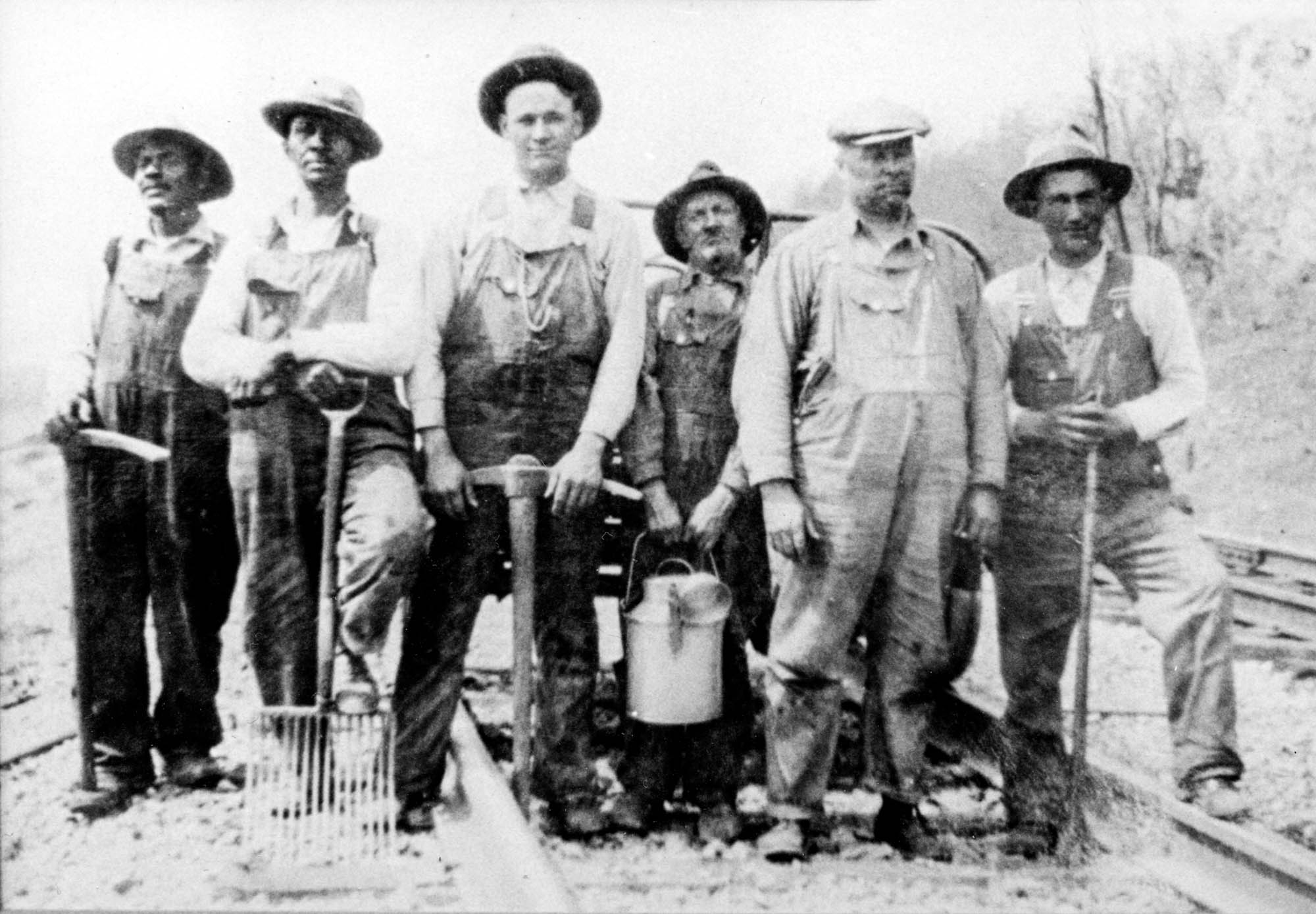
The crew members in this photo are (L to R): C.C. Hill; J.W. Wood; C.E. Ballowe; Alfred Davis; C.W. Schumaker, section foreman; and E.D. Thompson. The Nicholas Section crew maintained the six-mile section of Chesapeake & Ohio track just east of Scottsville. This six-man crew worked 40-hour weeks and were lead for many years by…
Written by
-
By Canal and By Stagecoach: A Journey from Nelson County to Staunton
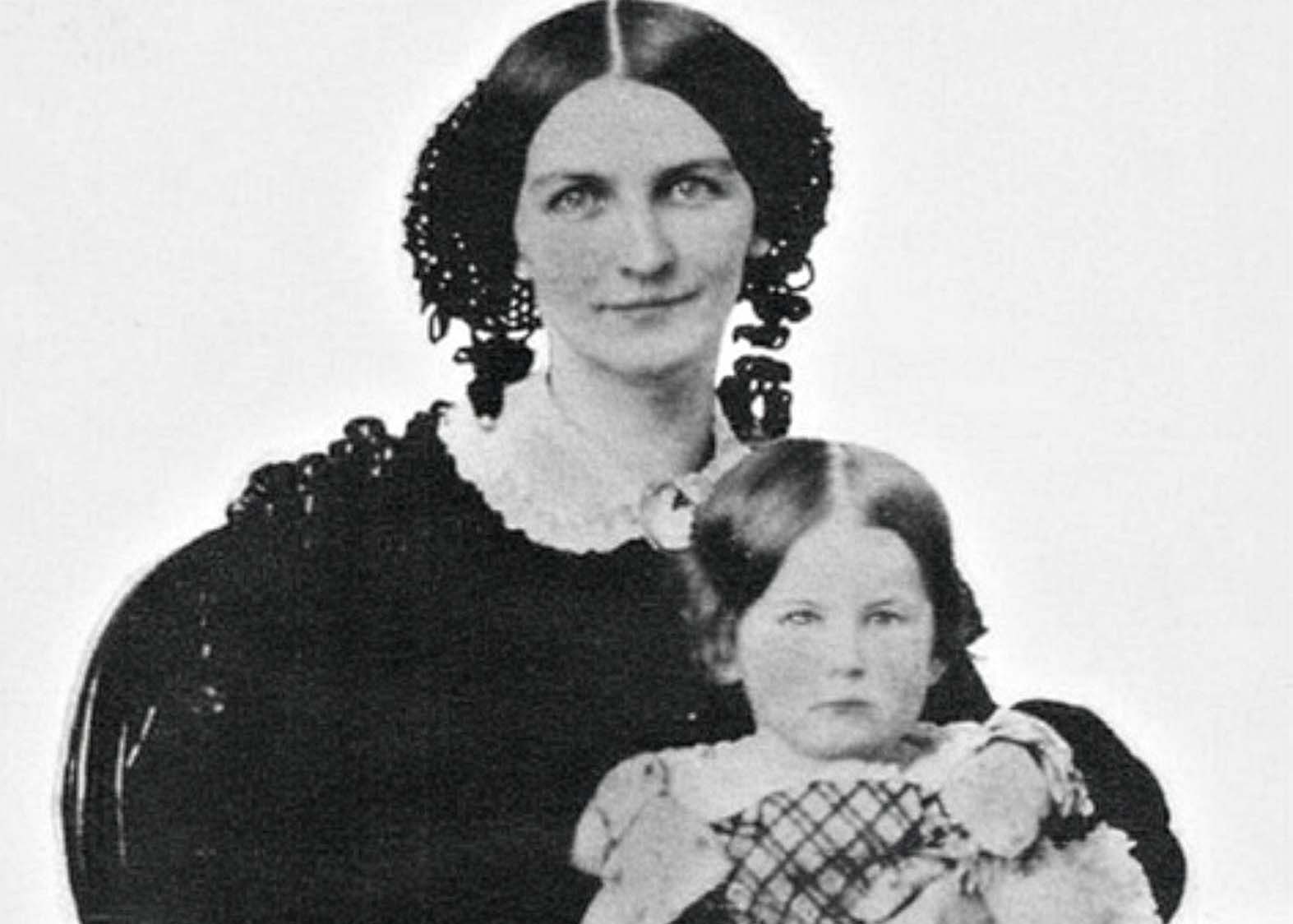
Shown above is Elizabeth ‘Bettie’ Nicholas Cabell with her daughter, Annie Barraud Cabell in 1858. Bettie attended Virginia Female Institute in Staunton for the 1849-1850 school year. In August 1849, fifteen-year-old Bettie Cabell left her home at Liberty Hall in Nelson County to attend boarding school, the Virginia Female Institute in Staunton. On the first…
Written by
-
Ned Hocker, Hatton Ferry Poleman
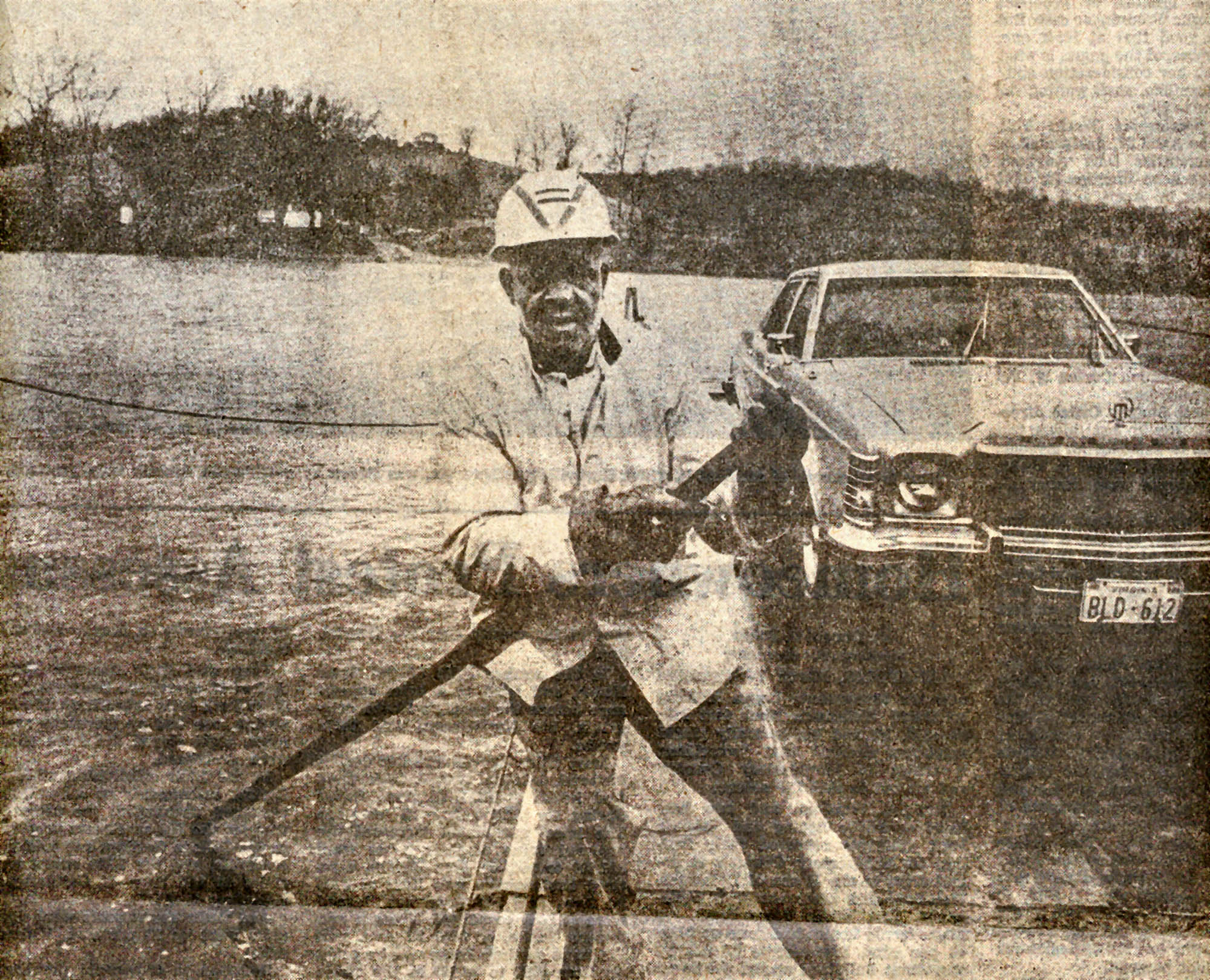
In the painting above, Ned Hocker sat in front of his cinderblock ferry master’s hut at Hatton Ferry. He seized an opportunity to rest and enjoy the river before poling his next ferry load across the James. When Ned was a boy, there was only one way to get from the Hatton side of the…
Written by
-
The Hatton Ferry
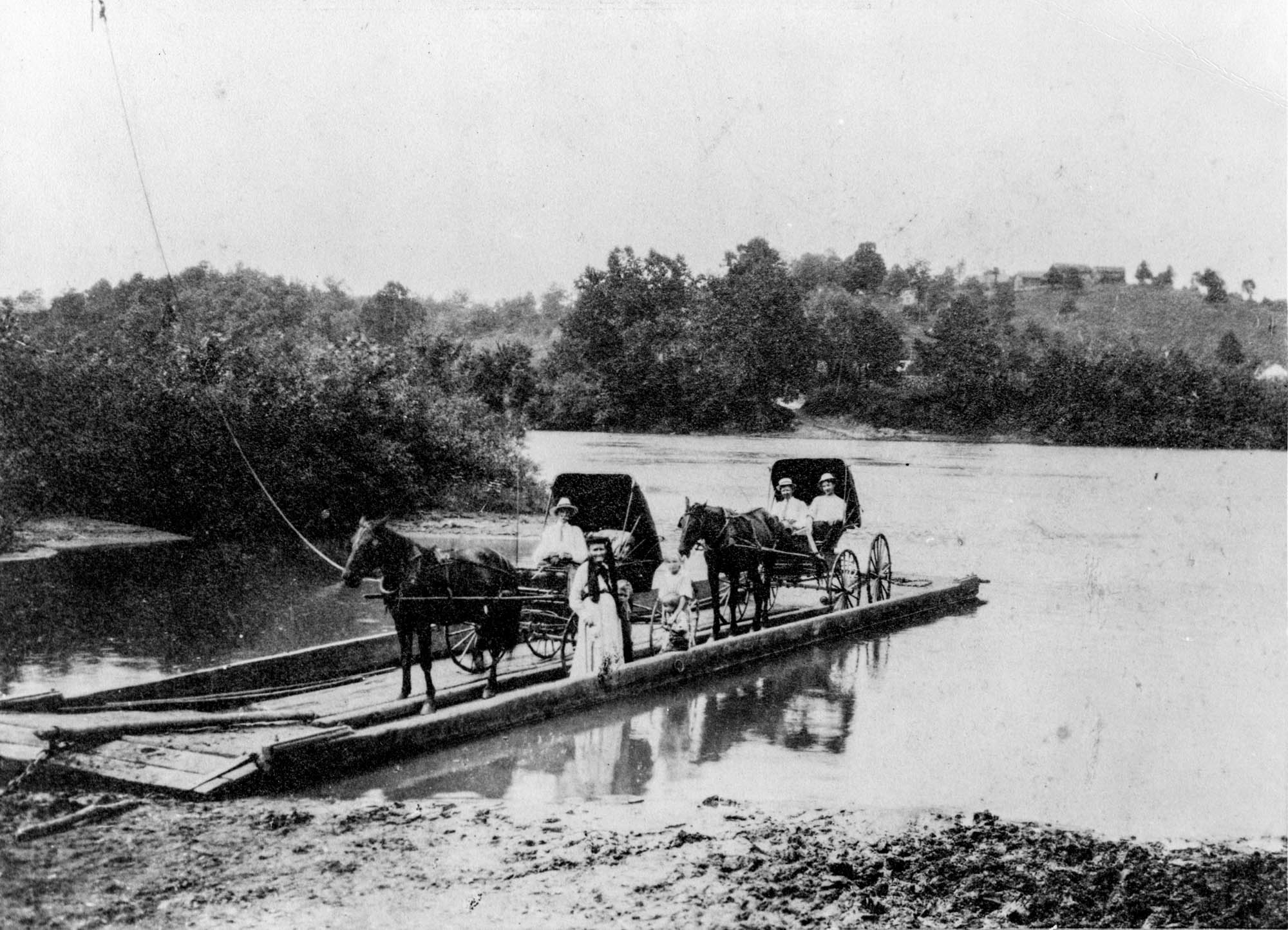
Photo above, Hatton Ferry, ca. 1910 Hatton Ferry is a poled ferry that crosses the James River at a site named Hatton about three and one-fourth miles south west of Scottsville, Virginia. James A. Brown, a storekeeper, began operating a ferry at this location in the late 1870’s. In 1906, James Benson Tindall of Buckingham…
Written by
-
Last Crossing of the Scottsville Ferry – 1907
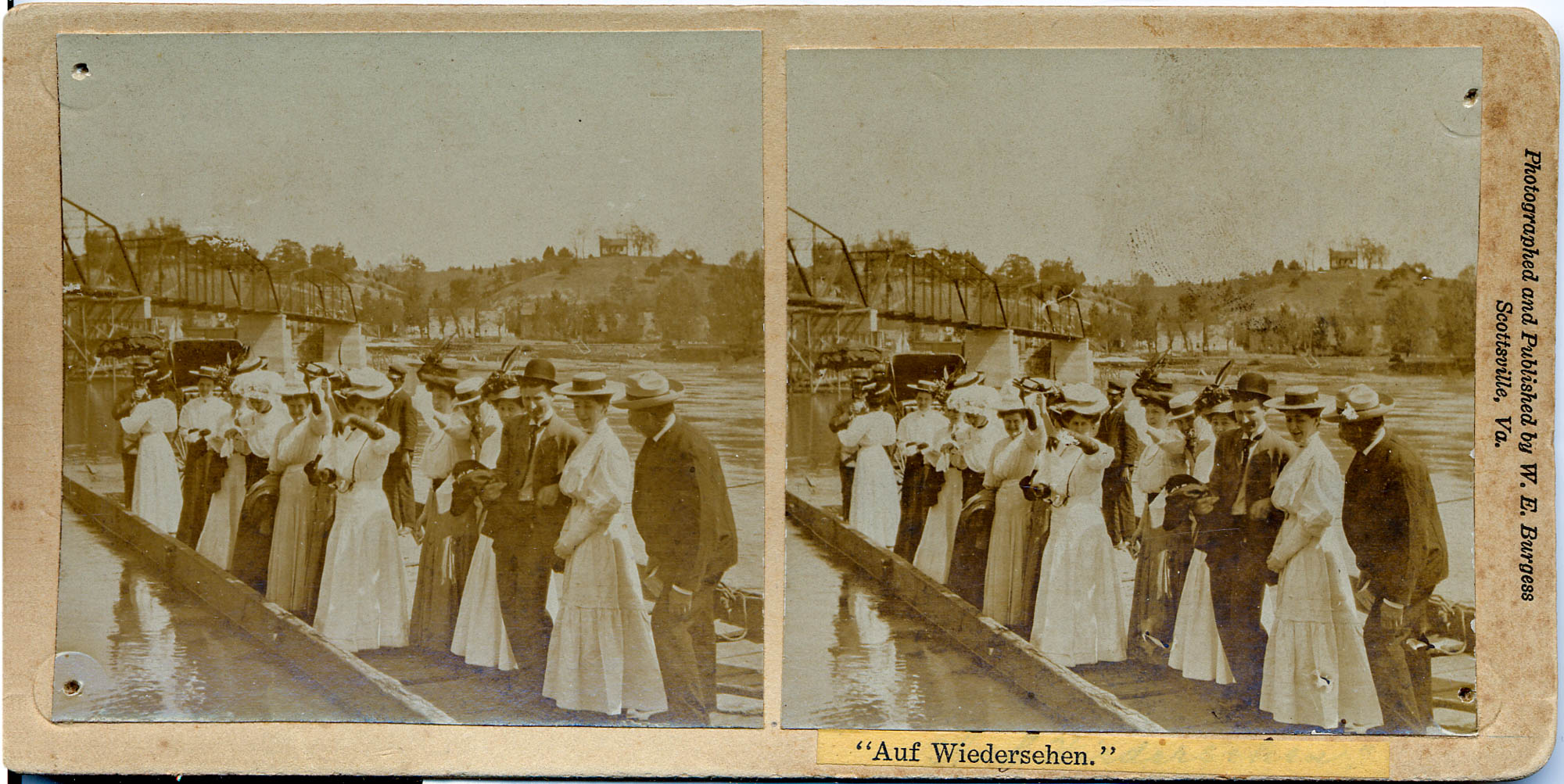
The image above is a stereoscopic card, a popular way to view travel, historic, and novelty photos at the turn of the century. When placed in a special handheld viewer, the images appear three dimensional. In the detail of the image below, Samuel R. Gault stands in the lower right corner of the Scottsville Ferry…
Written by
-
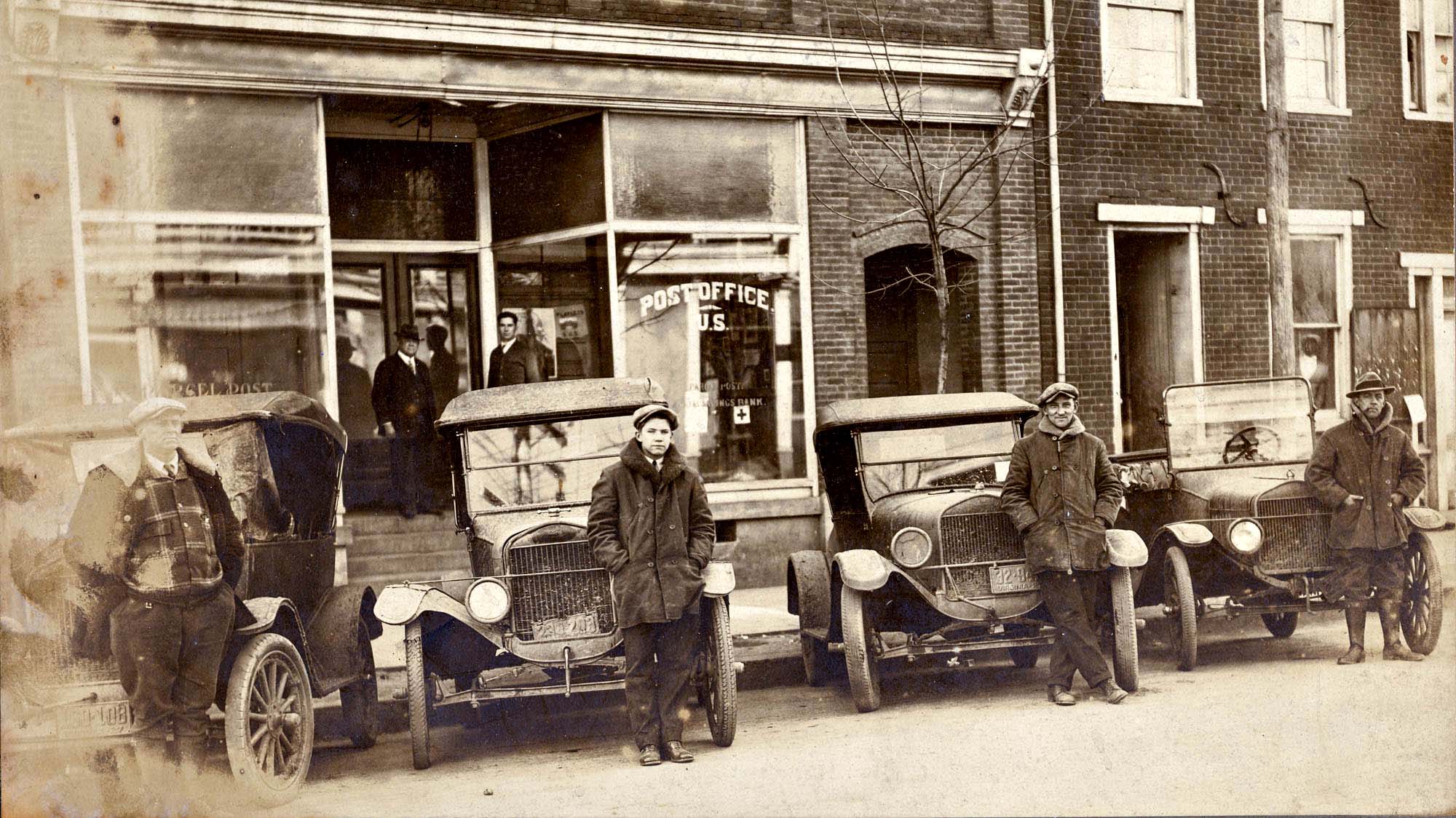
Rural Mail Carriers in Scottsville – 1915
On a crisp autumn day, four rural mail carriers pose in front of the Scottsville Post Office, the town’s social gathering point. More than any other invention, ‘motorized carriages’ altered Scottsville life the most. With mass production of the Model T Ford, cars were readily available and rapidly acquired by admiring Scottsville customers. Gone were…
Written by