Category: 1900’s
-
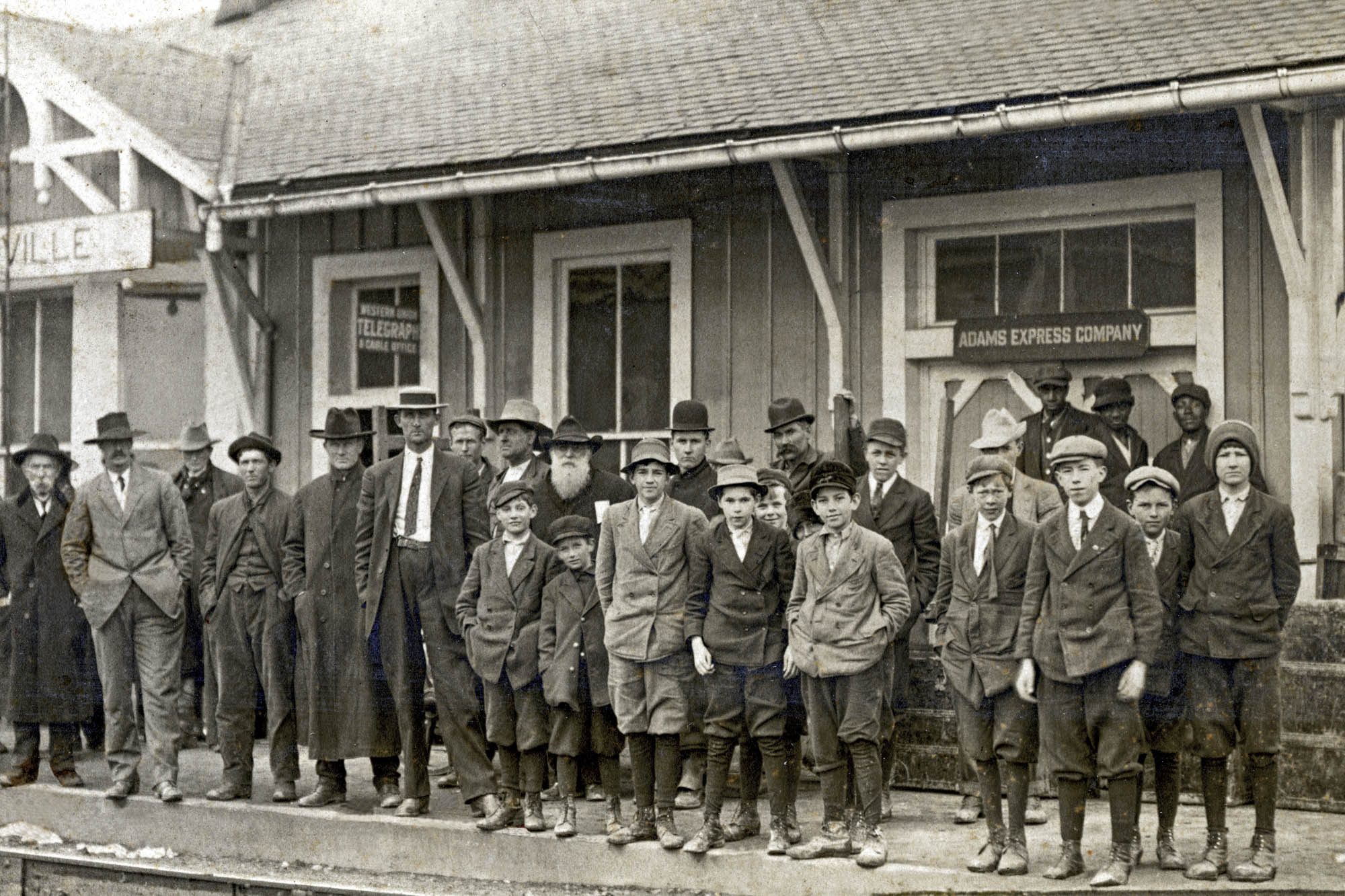
Passenger Train from Richmond
The passenger train from Richmond made four trips daily to Scottsville in 1915; each trip took three hours. This photo, taken by Burgess at the C&O Depot in Scottsville, shows the State Farmers Institute Train, which Virginia Polytechnical Institute outfitted with agricultural displays in the coaches. At each stop, local farmers boarded this train to…
Written by

-
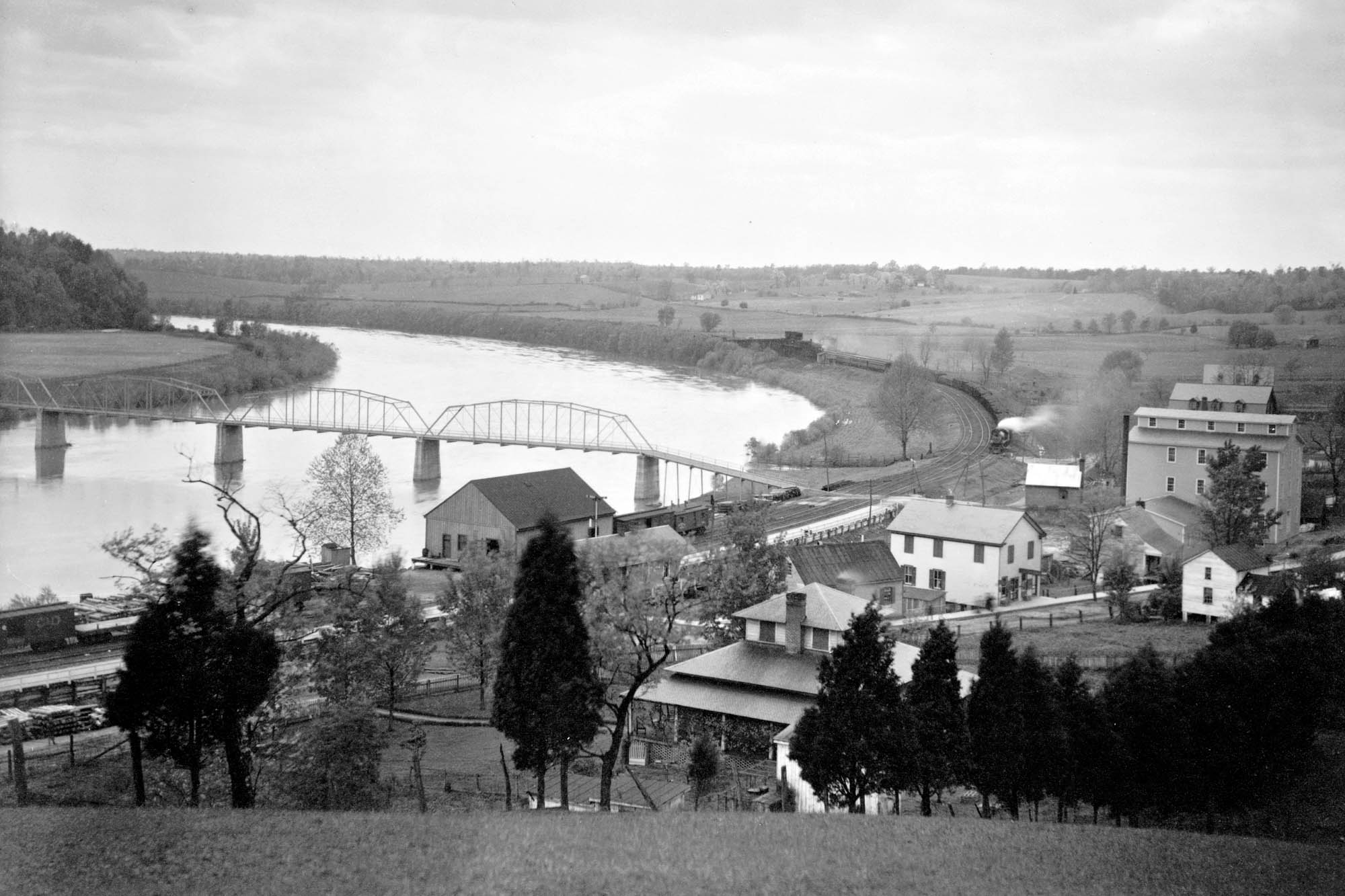
The Scottsville Bridge
This landscape with Scottsville in the background shows the wooden bridge, built in 1907, which replaced Scott’s Ferry as the medium for transporting traffic to Scottsville from Buckingham Co. This bridge remained until 1968 when a new concrete one replaced it. See the image below as a guide to points of interest: Copyright © 2018…
Written by
-
Train Spotting at Scottsville Depot
The James River Division of the Chesapeake and Ohio (previously property of the Richmond and Allegheny Railroad Company), was of great importance to Scottsville as it hauled freight, passengers, and the daily mail to town. As did the James River and Kanawha Canal before it, the C & O train connected Scottsville to the commercial…
Written by
-
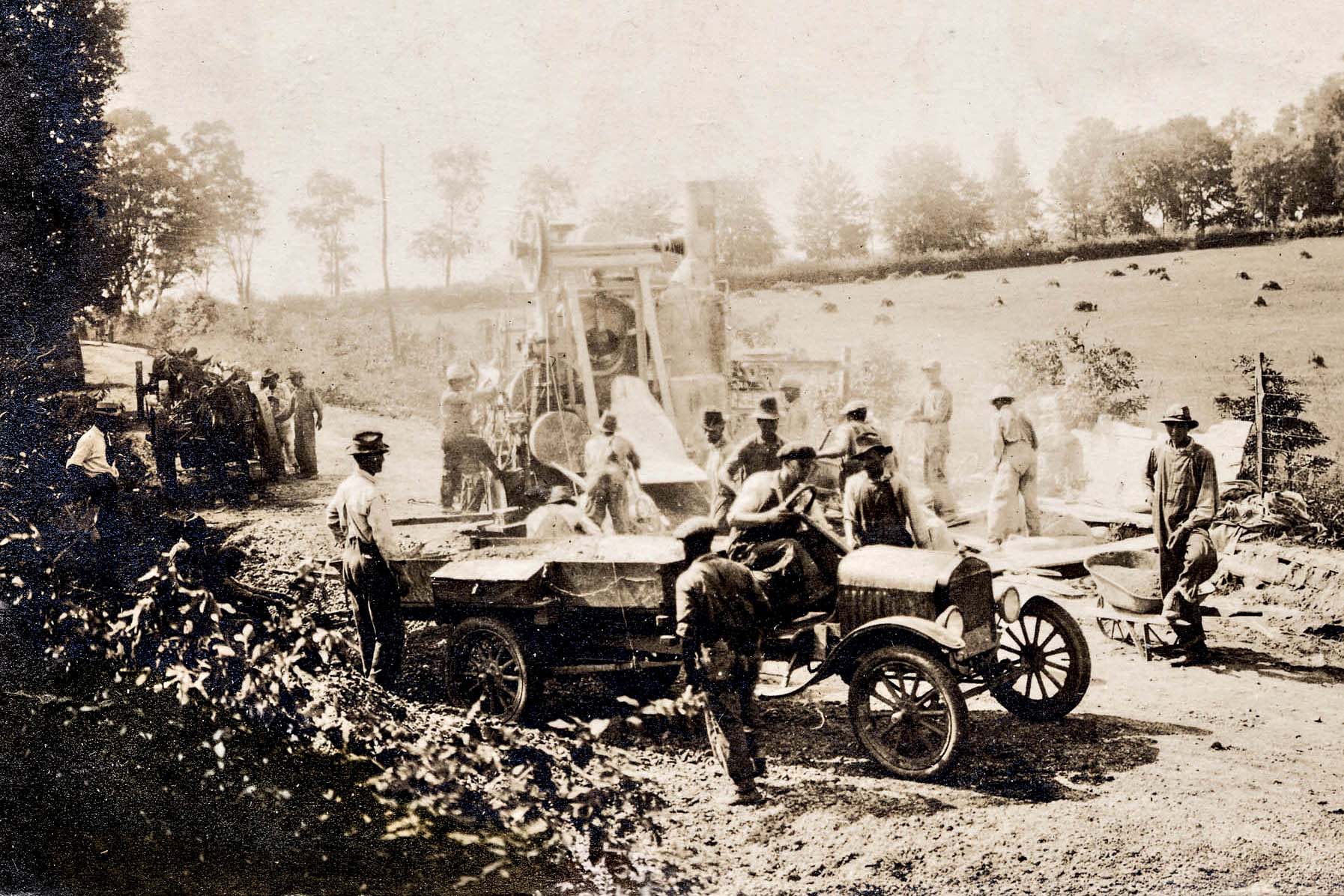
Paving Route 20 to Charlottesville
The road (Route 20) between Scottsville and Charlottesville was known as the ‘Road of the Presidents’ in the 1800’s because Presidents Jefferson, Madison, and Monroe often traveled over it. In those years, the trip between the two towns was arduous and bone-jarring as the macadam used on the road was a thin, poor tar mixture…
Written by
-
The Covered Bridge at Temperance Wayside
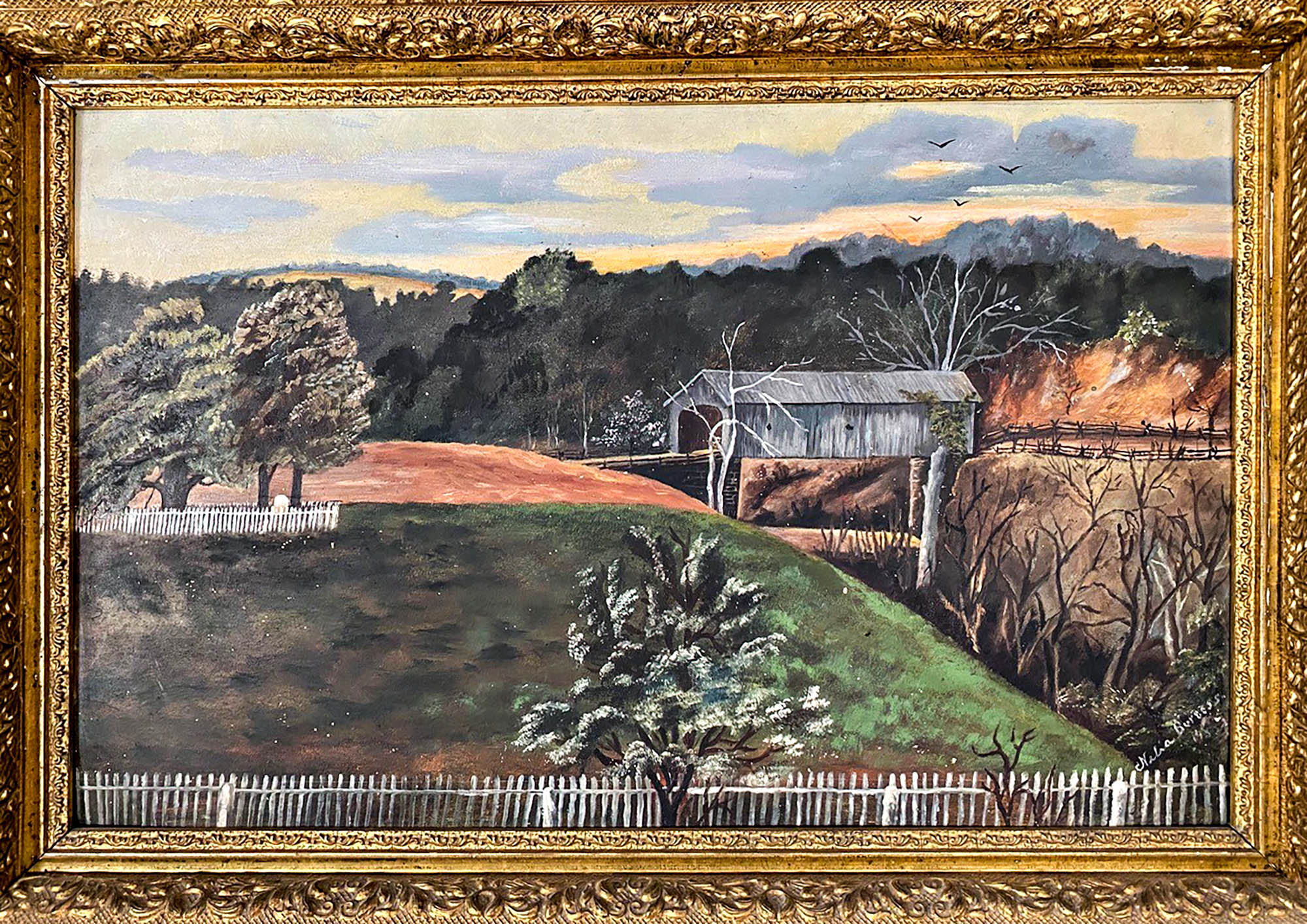
“We rattle through the Hardware River’s old-timey “rabbit burrow” bridge,” wrote Virginia Moore, talking about life in Scottsville between the wars. This was the covered bridge built about 1850 at Temperance Wayside where Highway 6 crosses the Hardware River. Sheridan’s departing troops had clattered over it in 1865. A painting by Cornelia Burgess Dorrier shows…
Written by
-
Train Wreck at Warren!
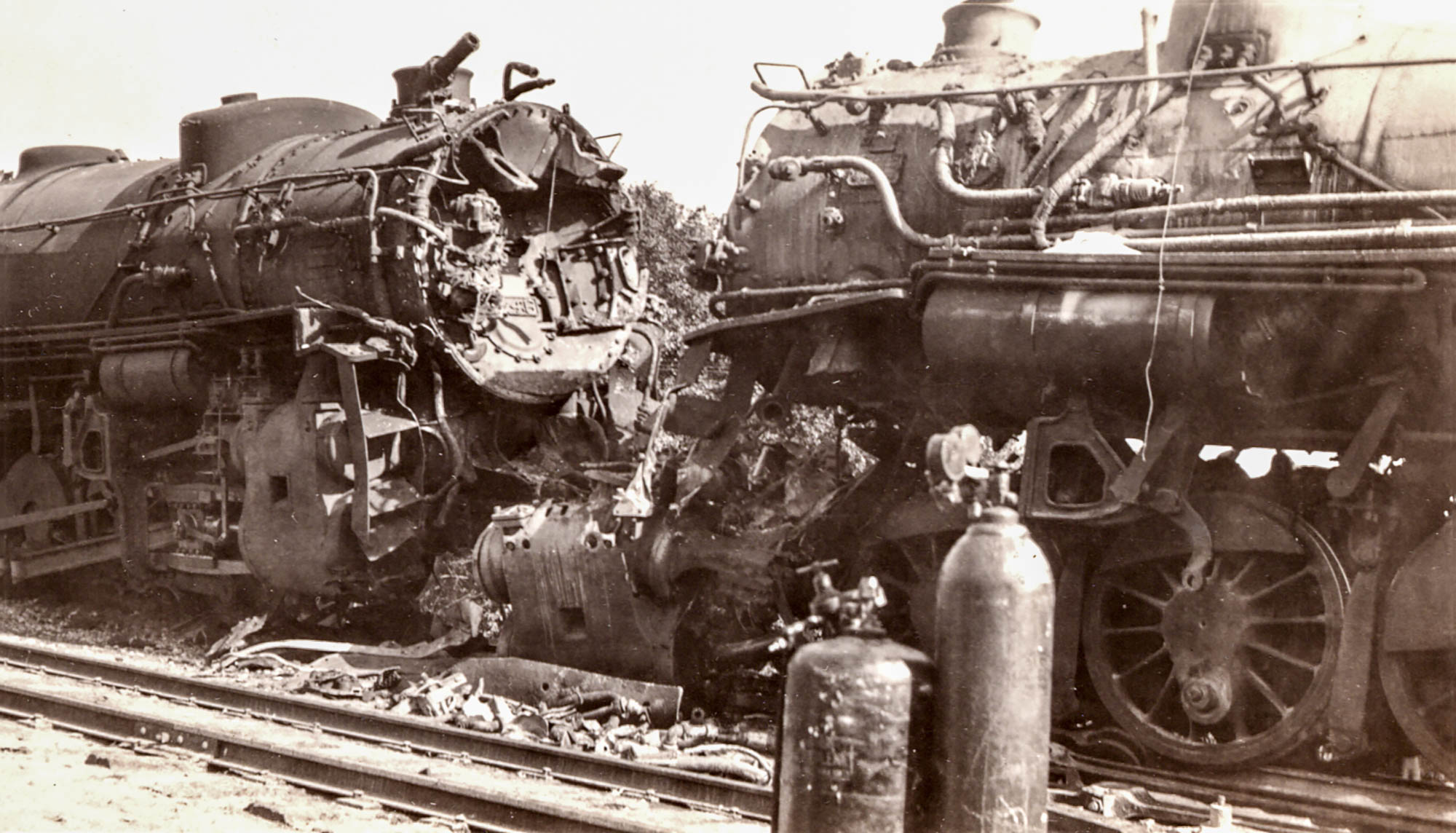
By Evelyn Edson It was early in the morning of September 10, 1935, when two C&O freight trains collided head on just west of Warren. There was a single track there, and the west-bound train received a signal to move onto a siding to let the east-bound train through. The engineer had received the signal…
Written by
-
Getting Off the Cars from Richmond ~ ca. 1914
Riding the ‘cars’ in 1914 was still a popular mode of travel, as shown in this photo at Scottsville Depot. Burgess captured the William Day Smith family arriving on the Richmond passenger train. Note the throng of townspeople gathered at the depot to watch the train arrive, a Scottsville custom that may date back to…
Written by

-
The Nicholas Section Crew
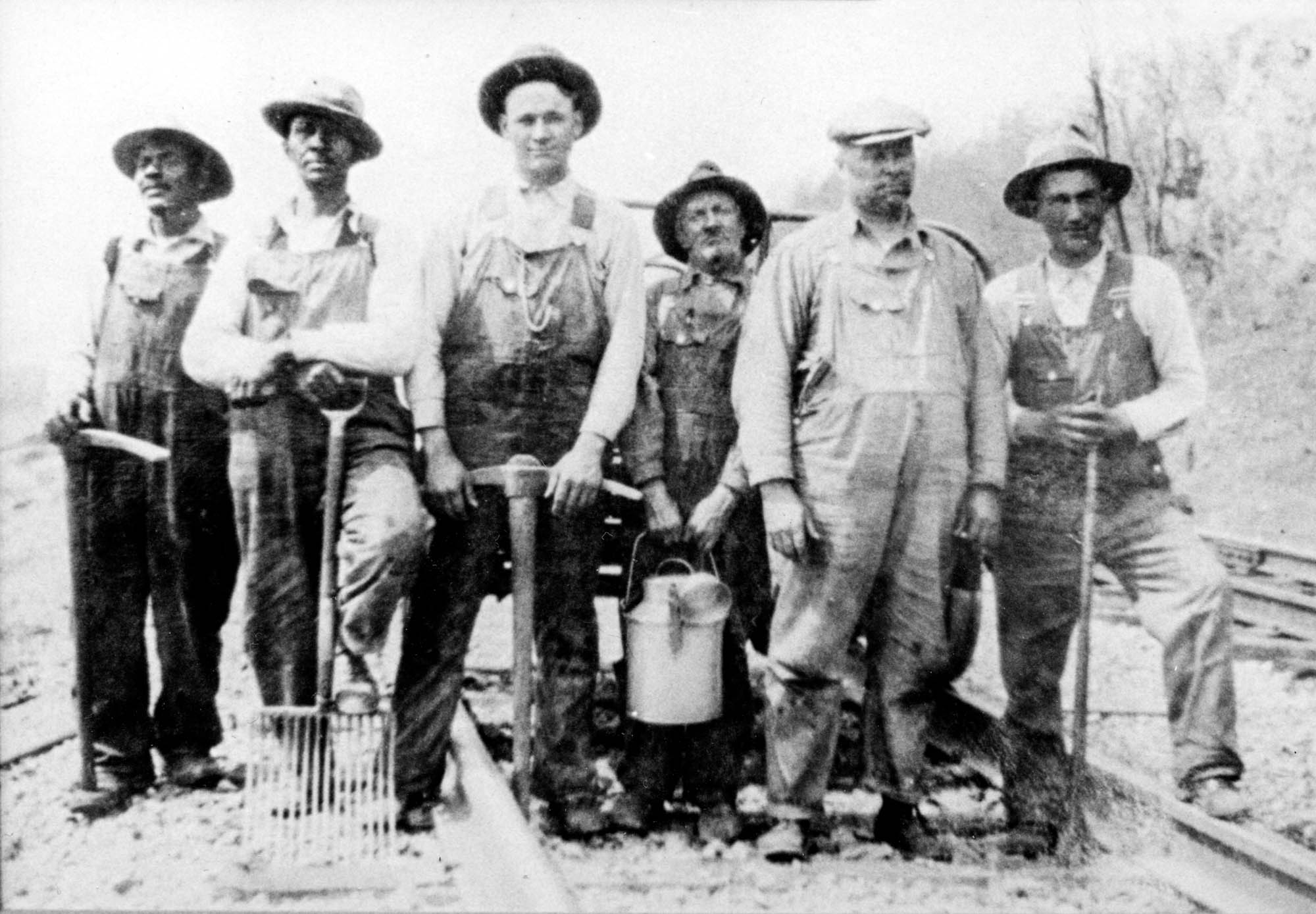
The crew members in this photo are (L to R): C.C. Hill; J.W. Wood; C.E. Ballowe; Alfred Davis; C.W. Schumaker, section foreman; and E.D. Thompson. The Nicholas Section crew maintained the six-mile section of Chesapeake & Ohio track just east of Scottsville. This six-man crew worked 40-hour weeks and were lead for many years by…
Written by
-
Ned Hocker, Hatton Ferry Poleman
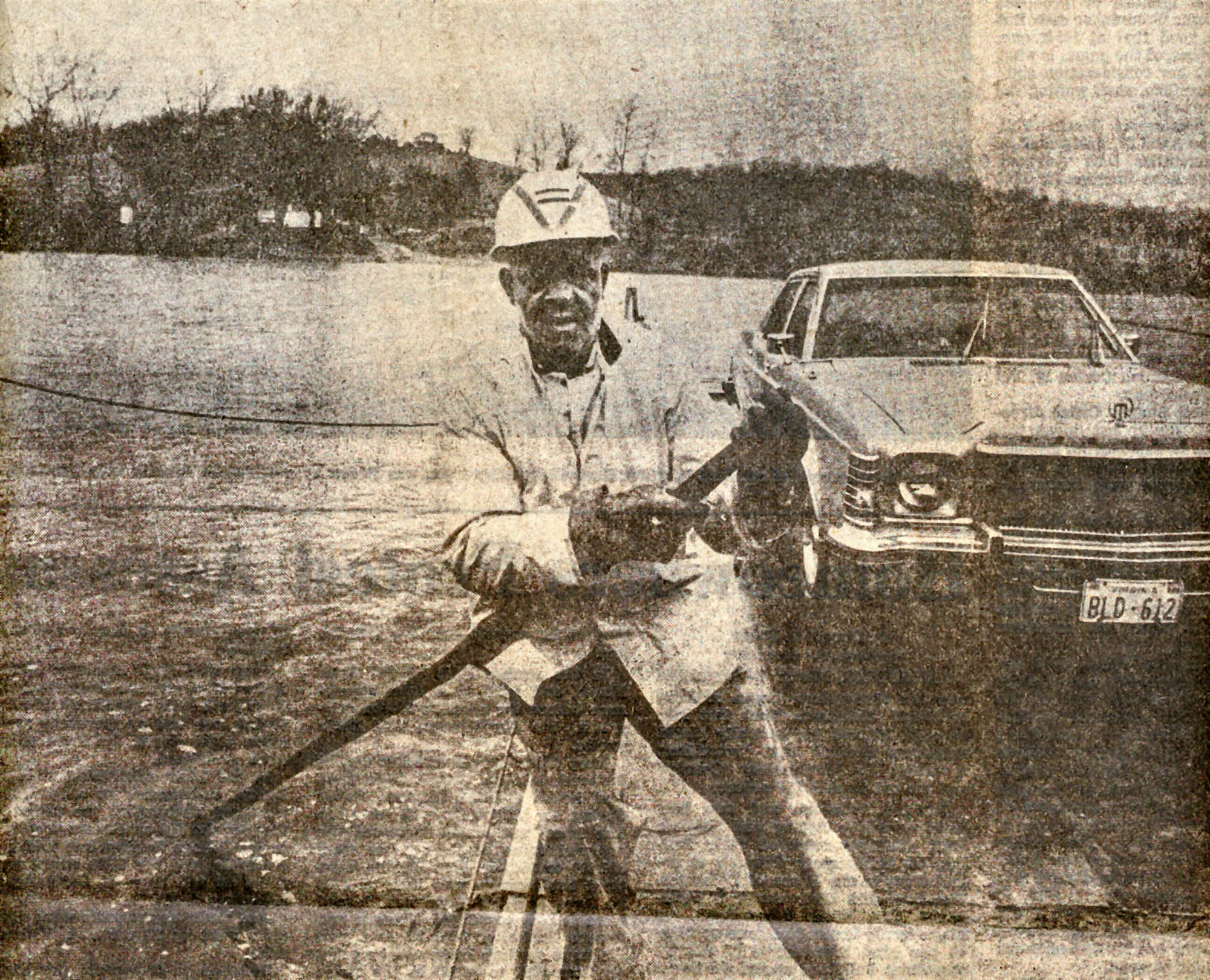
In the painting above, Ned Hocker sat in front of his cinderblock ferry master’s hut at Hatton Ferry. He seized an opportunity to rest and enjoy the river before poling his next ferry load across the James. When Ned was a boy, there was only one way to get from the Hatton side of the…
Written by
-
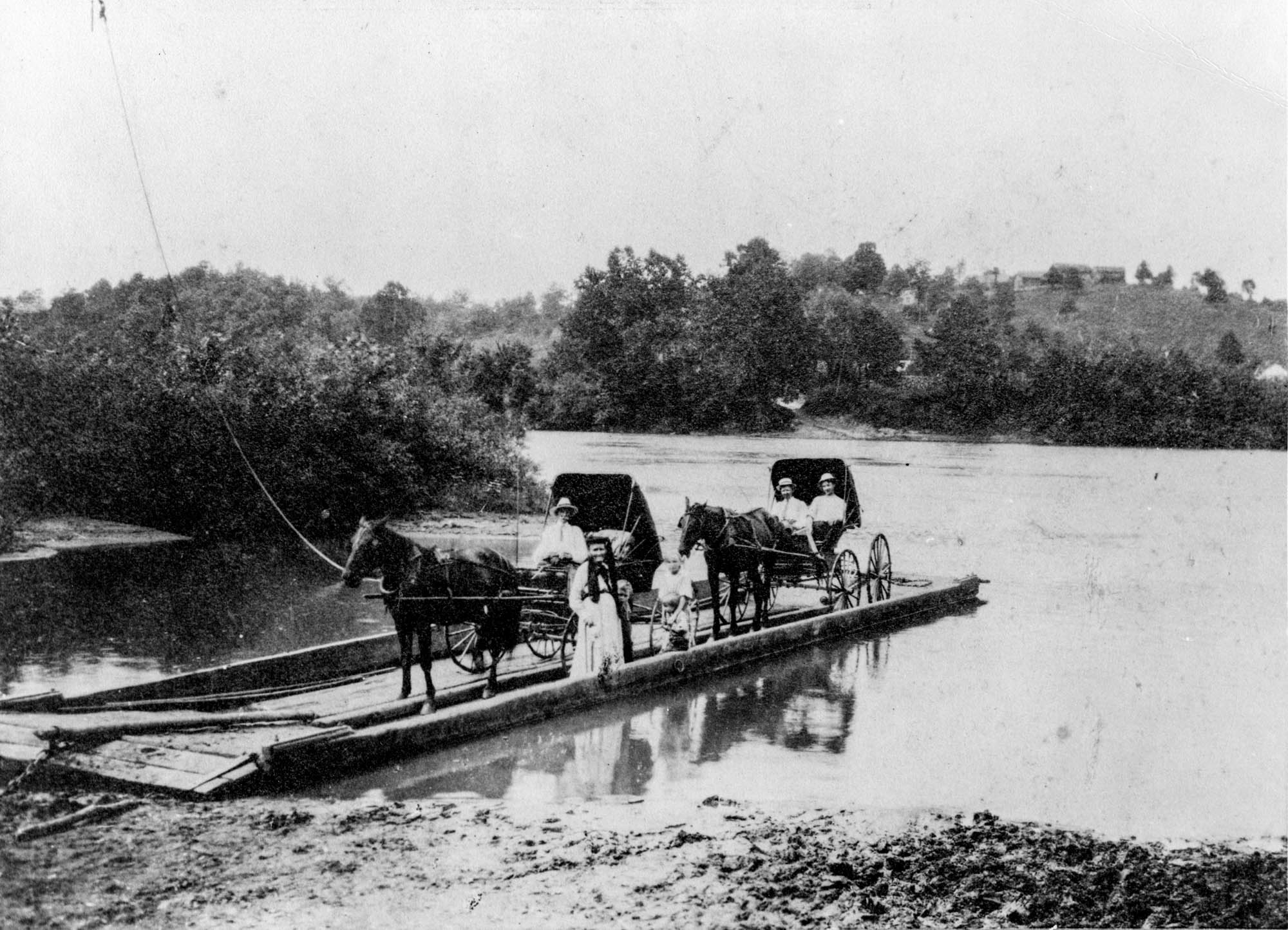
The Hatton Ferry
1800’s, 1900’s, 2000’s, Automobiles, Commerce, Featured, Ferries, Floods, Hatton, Horse, People, TransportationPhoto above, Hatton Ferry, ca. 1910 Hatton Ferry is a poled ferry that crosses the James River at a site named Hatton about three and one-fourth miles south west of Scottsville, Virginia. James A. Brown, a storekeeper, began operating a ferry at this location in the late 1870’s. In 1906, James Benson Tindall of Buckingham…
Written by